
 E-Paper



New criminal laws: Duties of IOs, SHOs notified ahead of rollout in Chandigarh
As per the latest guidelines, all steps taken during the inquiry, including evidence collected and decisions made, will be meticulously recorded in the general diary to ensure a transparent record of all investigative actions


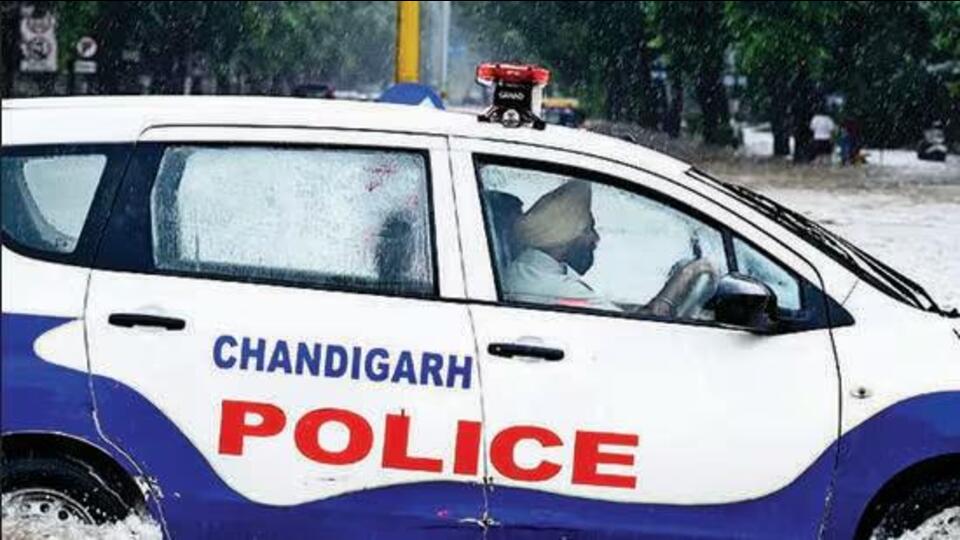
All set for the implementation of three new criminal laws on July 1, the Chandigarh Police on Saturday notified the detailed Standard Operating Procedures (SOPs) under the new legal framework, focusing on assigning responsibilities of station house officers and investigating officers to enhance accountability and transparency.
The three new criminal laws, Bharatiya Nyaya Sanhita, the Bharatiya Nagarik Suraksha Sanhita and the Bharatiya Sakshya Adhiniyam, will replace the Indian Penal Code (IPC), the Code of Criminal Procedure (CrPC) and the Indian Evidence Act, respectively.
Upon receiving information through various means, including the ICMS portal, the station in-charge will be required to assess the need for a preliminary inquiry. If a cognisable offence is evident, an FIR must be registered immediately.
Before initiating any inquiry, written authorisation from a deputy superintendent of police (DySP) will be required. The in-charge will also appoint an investigating officer (IO) with the relevant expertise to handle the inquiry.
The IO will be tasked with gathering physical evidence and documents to determine if there is a prima facie case. A comprehensive report must be completed within 14 days, detailing the facts and recommendations.
As per the latest guidelines, all steps taken during the inquiry, including evidence collected and decisions made, will be meticulously recorded in the general diary to ensure a transparent record of all investigative actions.
These SOPs also address the handling of electronic complaints and sensitive cases involving rape victims and offences against children, ensuring a structured and sensitive approach.
In the matters of crime against women and children, the fresh guidelines state that there must be no delay in registering FIRs. Upon receiving information regarding offences such as rape or attempts against women, officers are required to record the information in accordance with Section 173 of BNSS, 2023.
Victims or informants must receive a free copy of the FIR promptly.
Such complaints can be lodged at any police station, regardless of jurisdiction. The information can then be transferred to the relevant station via electronic means. Audio-visual and electronic methods, including scanning, are encouraged to expedite the transfer of information.
Rape crisis intervention cell
A ‘Rape Crisis Intervention Cell’ will come up at Chandigarh and upon receipt of a complaint, the officer on duty must immediately notify the cell via its helpline. The SSP will serve as the nodal officer for cases of rape, sexual assault, and violence against women and children. This role involves coordinating with the social welfare, health, and other government departments to ensure comprehensive support for victims.
Speaking to HT, SSP Kanwardeep Kaur said, “We are fully prepared for the rollout of the new criminal laws, starting July 1. Everything is in place, and all police officers have been thoroughly trained on the new laws. Officers are encouraged to approach these new challenges positively, with full dedication.”


