
 E-Paper



Stubble trouble: Breathing blues hit Punjab
As Punjab skies turn hazy due to surge in farm fires, rush of patients’ rush sees up to 30% jump in state

 Prefer HTon Google


Bathinda/Jalandhar/ Sangrur/Ludhiana/Amritsar : With a sharp increase in air pollution in Punjab, health experts have flagged a rise in the number of patients reporting chronic obstructive pulmonary disease (COPD), shortness of breath, wheezing, chest tightness, frequent respiratory infections and excess mucus in lungs.
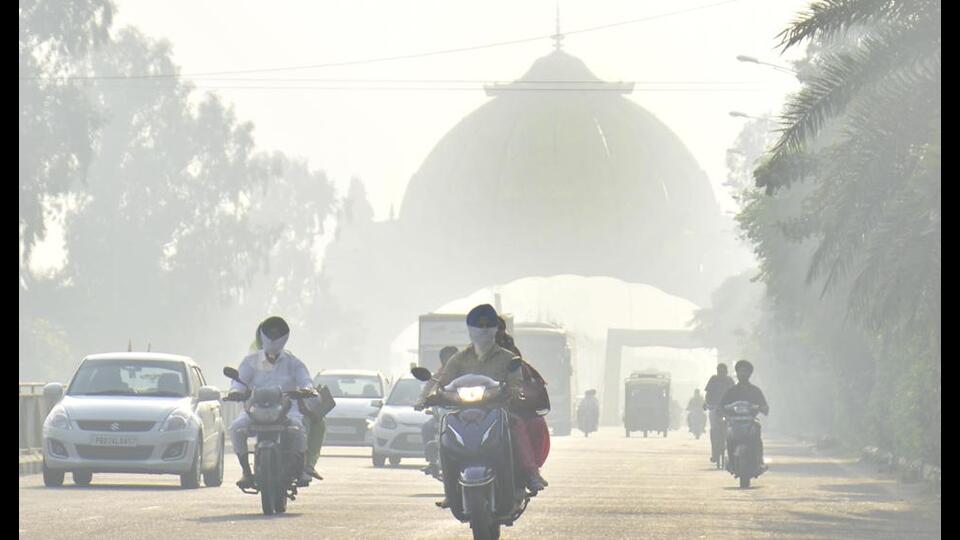
The air pollution increases every winter when pollution from stubble burning combines with the suspended water particles in the lower atmosphere to form a thick blanket of noxious smog, thus creating health hazards.
The Air Quality Index (AQI) turned ‘very poor’ in several parts of Punjab on Thursday as farm fires continue unabated. Patiala recorded an AQI of 333, Ludhiana 366, Bathinda 300, Jalandhar 280 and Amritsar 317.
Health experts in the southwest districts of Punjab blame the rampant burning of crop residue as a key factor behind the spike in cases.
Past trend indicates that since 2016, seven districts of Punjab alone contribute more than 45% of total cases of farm fires in the entire state.
Dr Kiranjit Kaur, chest expert at the state-run Guru Gobind Singh Medical College, Faridkot, said footfall of the patients in the outpatient department (OPD) and emergency wing with respiratory ailments have increased three times in the last two-three weeks.
“Change of weather and burning of paddy residue are among the key factors behind the surge. Besides Faridkot, we get patients from Bathinda, Moga and Ferozepur districts,” she said.
Health authorities said a spike in patients is expected this week as paddy harvesting is picking up in Bathinda, Mansa, Muktsar and other districts.
The Ferozepur civil hospital alone is catering to about 25 cases of respiratory problems every day against the daily average of 10 patients on other days.
A senior consultant of pulmonary medicine at a leading private hospital in Ferozepur Dr Javed Ali said people in the rural areas are the worst hit due to their proximity to fields which are set on fire.
Elderly, asthmatic, children worst-hit in Jalandhar, Kapurthala
Doctors say the elderly, asthamatic patients and kids are the worst-hit in Jalandhar and Kapurthala district of the Doaba region. People are thronging hospitals complaining of cough, nasal allergies and other issues.
A senior doctor posted in the Jalandhar civil hospital said there has been a 20% increase in patients with respiratory ailments in the outpatient department.
Jalandhar civil hospital medical superintendent Rajiv Sharma said multiple factors, including suspended particle of paddy harvesting in the air, stubble burning, bursting of firecrackers in Diwali and weather conditions, for rise in respiratory ailments.
Kapurthala senior medical officer Mohanpreet Singh said that there has been a rise of patients having respiratory tract infections and asthma. He too blamed air pollution for the rise of patients.
30% surge in patients with breathing issues in Sangrur, Ludhiana
Sangrur district has witnessed around 30% rise in patients with respiratory issues, including cough, breathlessness, runny nose and itchiness in the eyes, as per doctors of the civil hospital.
Doctors said patients of all groups complaining of such symptoms have been reaching the Sangrur civil hospital since Diwali.
Sangrur district is the worst-hit this season. It has recorded around 2,821 cases so far and maximum cases were reported after Diwali. Before Diwali, there were only 194 cases of stubble burning in the district.
Dr Himanshu Garg, MD, medicine, deployed at the civil hospital, said, “Around 30 to 35 patients complaining about breathlessness, cough and other problems are visiting every day. Earlier, the number of such patients was 30% lower than this.”
According to Ludhiana civil hospital doctors, the outpatient department (OPD) has witnessed a 30% rise in patients with breathing issues, coughing and sneezing. The condition of co-morbid patients has worsened.
“An increase has been marked in the number of patients who need hospitalisation and suffer from severe respiratory and cardiovascular diseases. Before Diwali, they all were living a normal life, but the sudden rise in stubble burning cases following Diwali aggravated their problems,” said Dr Amanpreet Kaur Brar, MD (medicine) at the civil hospital.
Dayanand Medical College and Hospital (DMC&H) also witnessed a rise in the number of patients suffering from allergic diseases, including allergic rhinitis, allergic conjunctivitis and chronic obstructive pulmonary disease (COPD), bronchitis and asthma since October 24.
Those prone to breathing ailments gasping for breath in Majha
The burning of paddy stubble and bursting of crackers on Diwali has also been affecting people’s health in the Majha region.
Private and government medical facilities have been witnessing a spike in the number of patients suffering from respiratory problems.
Due to the high amount of humidity, a thick layer of smog has engulfed the region for the last a few days.
Not only elders but even children are facing difficulty in breathing. Those who are prone to asthma and chronic obstructive pulmonary disease (COPD) are having a tough time these days. Children are complaining of cough, nasal congestion and swelling in the throat.
Doctors say there is an increase of 30-35% in patient inflow in the flow of patients while the officials of Punjab Pollution Control Board (PPCB) and the agriculture department are seeing no relief from such situations in the coming days too as the harvesting season is near ending.
(Inputs from Vishal Joshi, Gagandeep Jassowal, Harmandeep Singh, Mohit Khanna and Anil Sharma)


