
 E-Paper



Vet varsity event in Ludhiana: Seminar throws light on zoonotic diseases
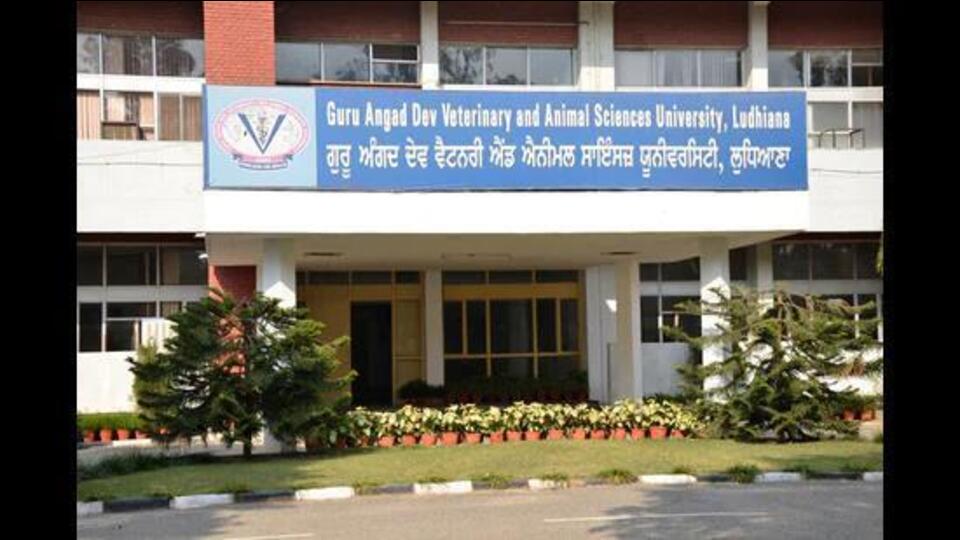
The workshop at vet varsity, Ludhiana, was coordinated by the division of zoonotic diseases, National Centre for Disease Control (NCDC), ministry of health and family welfare, Government of India


Scientists from Guru Angad Dev Veterinary and Animal Sciences University here on Thursday discussed strategies to strengthen zoonotic disease surveillance in a one-day event on “Strengthening response capacities: A workshop on zoonotic disease prevention and management” organised at All India Institute of Medical Sciences (AIIMS), Bathinda.
The workshop conducted under ‘National One Health Programme for Prevention and Control of Zoonoses’ brought together experts, veterinary officers, researchers, academicians, IDSP programme officers, and agricultural scientists, to strengthen collaborative efforts in zoonoses prevention. Zoonoses is one of those diseases which can be transmitted from animals to humans.
The workshop was coordinated by the division of zoonotic diseases, National Centre for Disease Control (NCDC), ministry of health and family welfare, Government of India.
Dr Jasbir Singh Bedi, director, Centre for One Health, vet varsity, delivered a lecture on “Veterinary aspects of sentinel surveillance under the National One Health Programme for prevention and control of zoonoses.” Dr Bedi highlighted the varsity’s role in addressing zoonotic diseases, such as brucellosis, rabies, antimicrobial resistance (AMR), and food safety through community engagement initiatives. Dr Bedi emphasised the importance of collaboration between vet varsity and AIIMS Bathinda to develop integrated strategies for zoonotic disease control. Dr Bedi also discussed the development of a model surveillance framework on zoonoses so that real-time data sharing can be possible between the medical and animal health department of the Punjab. Dr Rakesh Kakkar addressed the national programme for control of zoonoses. He provided an overview of operational guidelines for sentinel surveillance sites under the National One Health Programme.
Dr JPS Gill appreciated the Centre for One Health’s efforts in promoting collaborative research and reiterated the university’s commitment to tackling zoonoses affecting Punjab’s farming community.


