
 E-Paper



Delhi PWD to audit CCTV network, drones to check for coverage gaps
Officials said the audit will focus on identifying non-functional cameras, verifying installation locations and rationalising the deployment of the existing surveillance infrastructure


The public works department (PWD) will conduct a comprehensive audit of CCTV coverage across Delhi through physical inspections and drone surveys to identify gaps in the city’s surveillance network, PWD minister Parvesh Verma said on Friday.
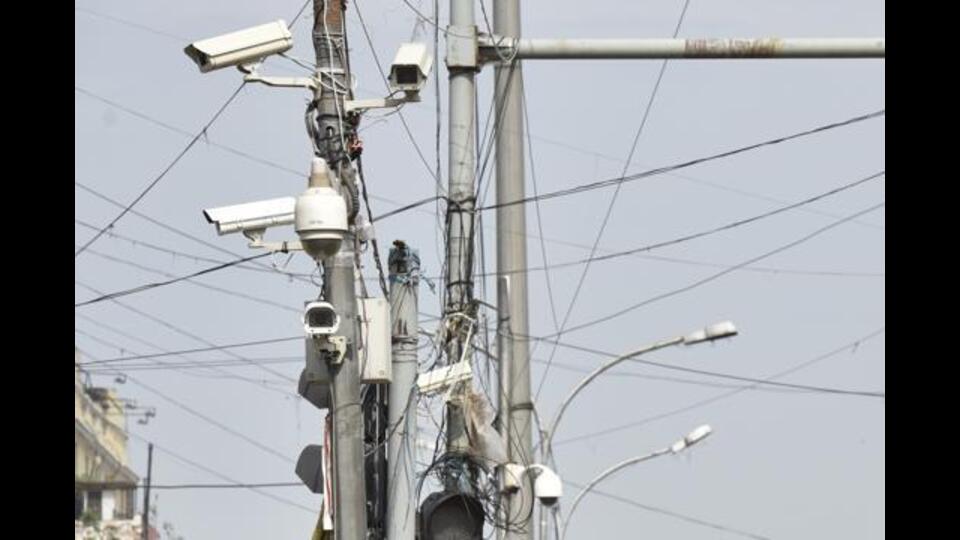
The exercise will be carried out in coordination with Delhi Police and residents’ welfare associations (RWAs) to assess the functionality and placement of cameras installed across the capital.
Officials said the audit will focus on identifying non-functional cameras, verifying installation locations and rationalising the deployment of the existing surveillance infrastructure.
According to the PWD, around 280,000 CCTV cameras have been installed across Delhi over the past several years. Nearly half of these cameras are expected to reach the end of their operational life by next year. Instead of installing a large number of new cameras, the department plans to replace old and non-functional units and reorganise their placement to improve coverage and monitoring.
“We realised that Delhi probably has the most dense network of public CCTV cameras among all metro cities in the country. There are 300,000 cameras here installed by various agencies. Around 280,000 have been installed by PWD alone. However, the issue is that there has been poor maintenance and monitoring because of which the cameras are either not working or are not placed at appropriate locations,” Verma said.
He added that the study aims to rationalise cameras and ensure they are placed in the right locations to maximise coverage.
Officials said the audit will include a technical review of cameras as well as the network video recorders (NVRs) used to store footage. These recording devices will be replaced where necessary to ensure that surveillance feeds are properly stored and accessible.
As part of the exercise, officials will physically inspect camera installations along roads, in government buildings and at other public infrastructure maintained by the PWD. Drone surveys will also be conducted to map coverage areas and identify blind spots. The department is also working with Delhi Police to strengthen monitoring of the camera network. Verma said PWD has requested the police to deploy personnel at the command centre located at the PWD headquarters to assist with surveillance operations.
Officials said the citywide study forms part of a broader effort to upgrade and strengthen Delhi’s surveillance infrastructure across key public spaces. PWD maintains cameras installed across several categories of public infrastructure including arterial roads, underpasses, government offices, schools, hospitals, courts and prisons.
A senior PWD official said the audit will help determine the current operational status of the existing camera network before further expansion is considered.
“Many of the cameras installed earlier have become defunct or require urgent maintenance. Some have also been stolen or disconnected. This audit will ensure that our existing infrastructure is functional before we move to get new cameras,” the official said.
Alongside the audit, the department is also addressing a backlog of cameras that were procured earlier but had not yet been installed. According to officials, 15,387 cameras were purchased previously but remained uninstalled. Of these, 3,209 cameras have recently been installed, and work has begun on installing the remaining 12,178 units. The locations for these cameras have been finalised based on inputs received from MLAs.
Officials said maintenance challenges have also affected the functioning of the network in some areas.
“There are practical issues of maintenance with regular complaints of theft of not just cameras, but also wires and other hardware. Despite that we try to ensure routine maintenance. Throughout the monsoon, all main roads, waterlogging hotspots and underpasses are under 24-hour monitoring,” said Verma.
PWD officials added that several newly installed cameras have also been placed at identified waterlogging hotspots across the city. The live feeds from these cameras are integrated with control rooms to provide real-time visual inputs during heavy rainfall.
Officials said this allows authorities to deploy field teams more quickly, plan traffic diversions based on visual information and coordinate response measures with the Municipal Corporation of Delhi (MCD) and Delhi Traffic Police.
The CCTV network expansion in Delhi is part of a broader city-level project approved in two phases in August 2019 and January 2020 with a combined sanctioned cost of ₹1,184 crore.
The project initially had a completion deadline of July 2020, but officials said the work was delayed due to logistical issues and disruptions caused by the Covid-19 pandemic. Authorities now expect the remaining work to be completed by the end of the year following the completion of the survey.


Stay updated with all top Cities including, Bengaluru, Delhi, Mumbai and more across India. Stay informed on the latest happenings in World News along with Delhi Election 2025 and Delhi Election Result 2025 Live, New Delhi Election Result Live, Kalkaji Election Result Live at Hindustan Times.


