
 E-Paper



Delhi to seek OECM tag for its biodiversity parks
Senior officials said they have already finished examination of the biodiversity park in Delhi and will file an application for the tag soon. Similar recognition will also be sought for Delhi’s other six biodiversity parks, including the Yamuna biodiversity park in north Delhi

 Prefer HTon Google


A day after the Aravalli Biodiversity Park in Gurugram was declared as India’s first “other effective area-based conservation measures” (OECM) site, authorities in Delhi said the Capital may soon get a similar tag for the Aravalli Biodiversity Park in Vasant Kunj.
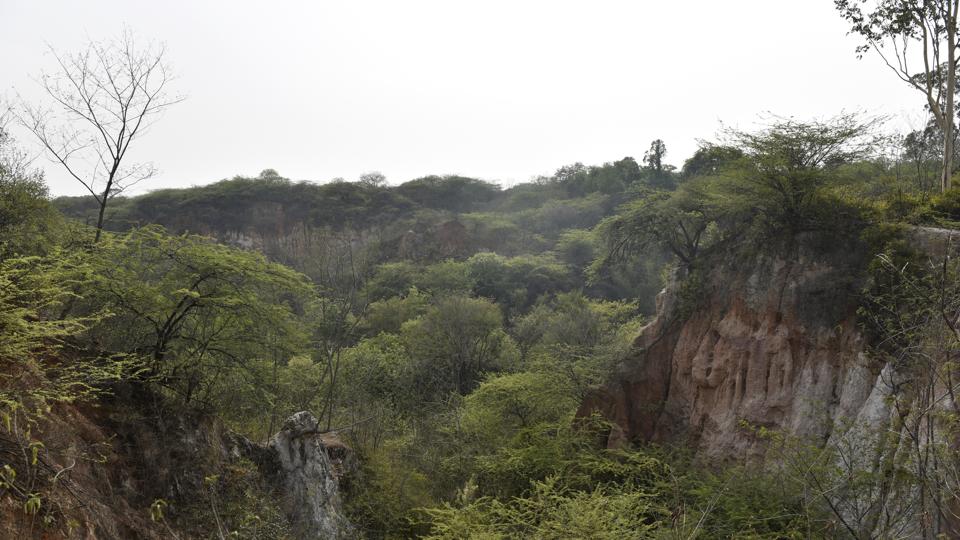
Senior officials said they have already finished examination of the biodiversity park in Delhi and will file an application for the tag soon. Similar recognition will also be sought for Delhi’s other six biodiversity parks, including the Yamuna biodiversity park in north Delhi, in addition to green areas such as Sanjay Van.
Issued by the International Union for Conservation of Nature (IUCN), an OECM tag is conferred upon areas of rich biodiversity, outside of protected areas like national parks and sanctuaries, for effective in-situ conservation.
Chairman of the National Biodiversity Authority, VB Mathur, told HT that Delhi’s seven biodiversity parks – Aravalli, Yamuna, Tughlakabad, Neela Hauz, Tilpath Valley, Kamla Nehru and Kalindi biodiversity parks -- are being looked at as possible additions to the list.
“While we have looked at both the Aravalli biodiversity parks in Delhi and Gurugram in recent months, we began the OECM recognition process with the Gurugram park. The Delhi Aravalli biodiversity park could be next. The aim is to create an ‘Aravalli cluster’ in which biodiversity across this corridor is notified as an OECM and can therefore be protected better,” said Mathur, adding that while the OECM tag does not provide any additional legal protection to these sites, the aim is to recognise efforts to preserve biodiversity in each state.
“Unlike a sanctuary or a wildlife reserve, where larger the area, the better it is, even small pockets where efforts have been put to preserve the native flora and fauna can be recognised as OECM sites and we will now kickstart the process to look at proposals from each state and Union Territory. Delhi certainly has several options,” said Mathur.
A member of the Delhi Biodiversity Council (DBC), on condition of anonymity, said though a formal proposal to notify OECM sites in Delhi is yet to be submitted, officials from the NBA were looking at the DDA’s Aravalli biodiversity park for the last couple of months. “A list will be shared with the NBA, but the chairman has already inspected the Aravalli biodiversity park in the last two months and this could possibly become a site of importance for Delhi’s conservation efforts,” said the member.
To comply with directions under the Biological Diversity Act, 2002, each state and Union Territory has been asked to create state-level biodiversity boards and councils respectively. The DBC was notified as per a gazette notification on October 29, 2021, and held its first meeting only last month.
The 11-member body is headed by Delhi University professor CR Babu and has Delhi’s chief wildlife warden, Nisheeth Saxena, as the member secretary among its five ex-officio members. The body also has four expert members -- Indraprastha University professor Sumit Dookia; Vijay Dhasmana, curator at the Aravalli Biodiversity Park in Gurugram; and INTACH’s Dr Ritu Singh and Manu Bhatnagar -- each of who will have a term of three years.
When inaugurated in 2010, the Aravalli Biodiversity Park in Delhi covered 699 acres of the Aravalli area degraded due to several decades of mining. It was restored over time through planting of native species of trees and shrubs.
Saxena said the DBC’s primary focus is to prepare a biodiversity register, mapping all water bodies, green spaces, wildlife and fauna existing within the Capital. “Once mapped, we can move to the next step of identifying the most important biodiversity hot spots,” he said.



