E-Paper



DTC proposes segregation of ISBTs based on the origin and destination of buses
DTC plans to segregate Delhi's ISBTs by bus origin to reduce pollution and congestion, seeking public input on the proposal.

 Prefer HTon Google


The Delhi Transport Corporation (DTC) has proposed segregating the Capital’s three interstate bus terminals (ISBTs) on the basis of point of origin of buses coming to the city, officials aware of the plan said on Tuesday.
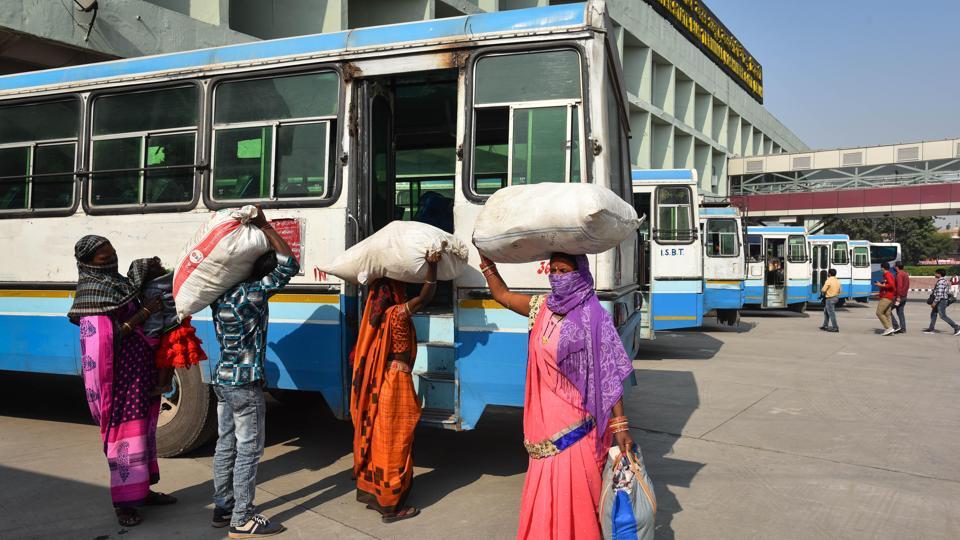
According to DTC, around 4,000 government-run interstate buses enter Delhi on a daily basis. Designating the point of origin for each ISBT, officials said, will help cut down on the number of heavy vehicles plying on Delhi’s internal roads, and will reduce pollution levels in the city.
DTC has sought suggestions on the plan through a notice dated December 17, and has urged individuals, associations, and stakeholders to share their objections within 15 days.
“Transport department intends to obtain comments/inputs from the general public and other stakeholders for inter-state bus operations (bus origin, picking up and dropping) from dedicated ISBTs. This would help reduce congestion on roads in NCT of Delhi and also reduce travel time,” the notice read.
The proposal will need to be sent to transport commissioner for a final signature before the changes are made on the ground, officials said.
According to the plan, all buses coming from states to the east of Delhi — Uttar Pradesh, Uttarakhand, and Bihar — will originate and terminate at Anand Vihar ISBT.
Meanwhile, the Kashmere Gate ISBT will cater to the northern states of Haryana, Punjab, Himachal Pradesh, Jammu and Kashmir, and Chandigarh, along with Nepal. Similarly, buses coming from Rajasthan, Madhya Pradesh and other southern and western states will only go to the Sarai Kale Khan ISBT.
Officials said the move will streamline information on buses — similar to how railway stations and airports operate — and in turn will lead to convenience for commuters.
“To reduce the flux of trains at New Delhi railway station, trains from eastern states stop at Anand Vihar railway station, those from southern states stop at Hazrat Nizamuddin, and so on. Similarly, different airlines have fixed terminals at airports. The systematic segregation planned will ensure that commuters know which ISBT to go to if they have to catch a bus for any particular state,” a senior DTC official said, on condition of anonymity.
Experts welcomed the proposal, stating that there should be restrictions on polluting buses too.
“We have established by now that vehicular pollution is one of the biggest contributing factors to Delhi’s pollution, and heavy vehicles like buses have the maximum share. Considering the increasing severity of the problem every year, the transport department needs to take stringent measures like completely stop the entry of buses with emission levels below BS-6 into Delhi, and reprioritise deployment. Additionally, it should encourage zero emission electric buses through financial and non-financial means like access to inner city areas and priority parking at depots,” said Amit Bhatt, India managing director of International Council on Clean Transportation (ICCT).