E-Paper



Share of cars in EV sales goes up in Delhi, shows data
Electric cars sold in Delhi increased from 331 in January to 510 in February and 1,493 in March, which amounts to an increase of 192% compared to February.

 Prefer HTon Google


The sale of electric cars and cabs has witnessed a steep increase in March 2023, according to the Delhi EV cell.
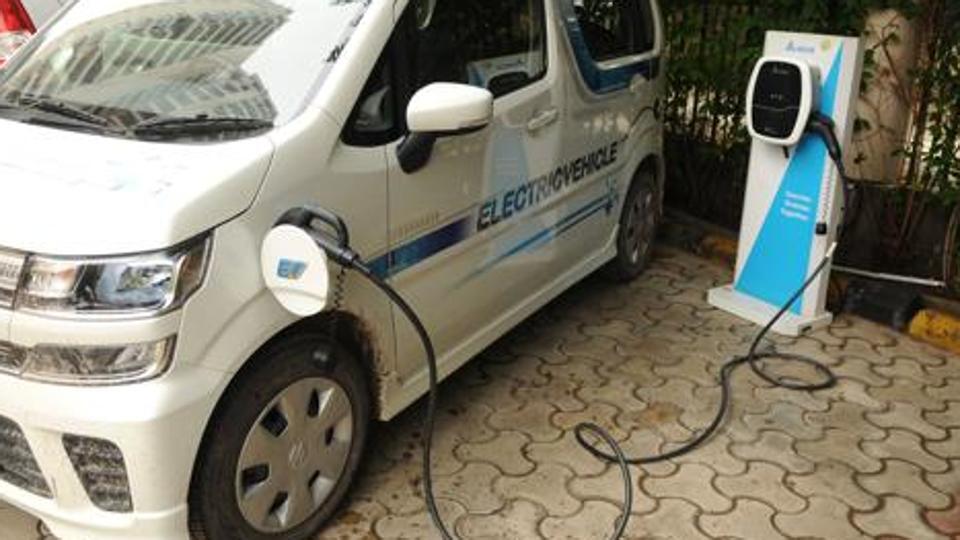
Officials said that four-wheelers amounted to 20% of all EVs sold in March.
Electric cars and cabs sold in Delhi increased from 331 in January to 510 in February and 1,493 in March, which amounts to an increase of 192% in March compared to February, officials said.
Also read: 1,400 private EV charging points set up in Delhi in the last year
Electric cabs saw a higher jump in sales as the numbers increased from 35 in January to 56 in February to 853 in March, while private car sales increased from 296 in January to 454 in February and 670 in March.
Officials said that while the Delhi government has taken the lead to promote EVs, the increase in four-wheeler sales may also be because of bulk orders.
“The increase may be attributed to bulk orders by fleet operators, year-end discounts, or higher deliveries by car manufacturers. However, the increase in EV sales has been consistent over the last few months and we are hoping to see an upwards trend going forward,” said N Mohan, head of Delhi EV cell.
Compared to February, people purchased 175 more e-rickshaws, 949 more two-wheelers (motorcycles and scooters), and 1,013 more four-wheelers in March.
Meanwhile, e-autorickshaws have also increased from 1,000 in January to 1,200 in March. A total of 7,917 EVs were sold in March.
Officials said that the sale of EVs has been on the rise in the past three months.
In March, EVs accounted for 14.8% of all vehicles sold in Delhi. The share of EVs in total vehicle sales has consistently increased from 9.4% in January to 10.8% in February and 14.8% in March.
While the Delhi EV policy was introduced in 2020, most of the EV market was dominated by the sale of two and three-wheelers, and the increase in the EV fleet remained gradual. However, experts said that the sales can be compared to petrol and diesel vehicles and the reluctance so far is because of the high upfront cost while purchasing a new EV vehicle.
“In India, 75% of all vehicles sold are two-wheelers. Even among four-wheelers, cars priced over ₹10 lakh constitute just around 2% of the total sales. Most of the electric cars available so far fall in this category. So, the high upfront cost has been a deterrent in people opting for electric cars for private use. But it is important to highlight the overall cost benefit of using an EV,” said Amit Bhatt, India managing director, the International Council on Clean Transportation.
Also read: Yogi launches projects worth ₹8731 cr, takes swipe at Pak
He said that the thumb rule of charging is that a full charge is equal to the battery capacity. For instance, if an electric vehicle has a 40-kilowatt battery, it will fully charge in 40 units and will run a little less than 400km.
He added that in Delhi, this means that while a petrol car will run at ₹7-8/km, an electric car will run at ₹1-2/km.