The Central Bureau of Investigation (CBI) on Monday filed a charge sheet against Sanjay Roy, a civic volunteer and the prime accused, in the August 9 rape and murder of a trainee doctor at Kolkata RG Kar hospital, people familiar with the development said, adding that they have not found any evidence of gang rape in the incident.
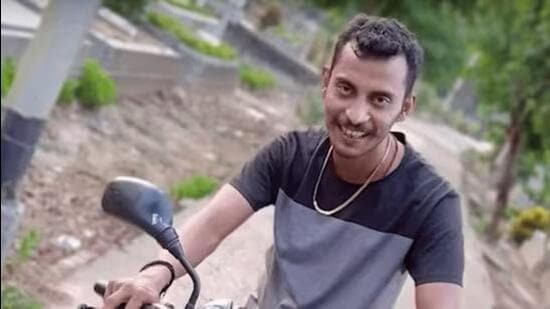
“After one-and- a-half months long investigation, recording of statements of several witnesses and accused, and detailed forensic analysis including DNA tests, the special investigation team (SIT) has filed a charge sheet in the rape-murder case”, said an officer who didn’t want to be named.
Roy, the officer said, has been charged for rape and murder in the first charge sheet filed before a court in Kolkata. “All the evidence – material and circumstantial – points to the involvement of the sole arrested accused – Sanjay Roy. Further investigations in the case are going on,” he said.
At a later stage, the federal agency will file supplementary charge sheets into the role of former RG Kar principal Dr Sandip Ghosh, and then station house officer (SHO) of Tala police station – Abhijit Mondal – in the destruction of evidence and trying to save Roy after the incident. Ghosh and Mondal were arrested on September 14.
The body of the 31-year-old trainee doctor was found in a semi-naked condition in the seminar room of RG Kar Medical College and Hospital on the morning of August 9.
{{/usCountry}}The body of the 31-year-old trainee doctor was found in a semi-naked condition in the seminar room of RG Kar Medical College and Hospital on the morning of August 9.
{{/usCountry}}Sanjay Roy, the sole accused, was arrested by the Kolkata Police on August 10 and sent to police custody till August 24. The investigation was handed over to the CBI on August 13 after directions from the Calcutta high court.
The Kolkata Police, which was probing into the case in the initial stage, had lodged a first information report (FIR) under sections 64 (rape) and 103 (1) (murder) of the Bharatiya Nyaya Sanhita (BNS) on August 9. Later, the CBI registered a FIR under the same sections, when it was directed by the Calcutta HC to investigate the case.
A second officer familiar with the probe said the federal anti-corruption agency recorded over 100 statements and conducted 10 polygraph tests, including Dr Sandip Ghosh in the case.
After arresting Ghosh last month, CBI said that he “intentionally” did not insist on registration of the FIR into the rape of the trainee doctor, rather introduced a theory of suicide despite visible external injuries on the body.
It added that Ghosh, in his polygraph and layered voice analysis tests, was “deceptive” on certain important issues related to the incident.
About Mondal’s role, the CBI has said he got information about the incident at 10.03am but he failed to reach the scene of crime immediately.
The General Diary entry of the police station intentionally mentioned wrong facts that ‘body of PG trainee was found lying in unconscious state at seminar room of chest-medicine’ whereas the body was already examined by a doctor who found her dead, CBI has alleged.
Not only that, Mondal failed to cordon the scene of crime to preserve it which led to access of unauthorized persons causing damage to vital evidence.
The agency has said with this act, Mondal was “trying to protect the accused Sanjay Roy and others unauthorizedly accessed the scene of crime which may have resulted in tampering with the evidence”.
Being in-charge of Tala police station, Mondal failed to ensure timely ascertaining the condition of the victim and issuance of death certificate, thereby causing subsequent delay in conducting inquest, postmortem, etc.
About the 14-hour delay in registration of FIR, CBI alleged that “Mondal failed to ensure registration of FIR despite having a telephonic conversation at 10.03 am, a written complaint from medical superintendent at 2.55pm, and subsequent complaint from father at 7.30 pm and went on register the case only at 11.30pm with an inordinate delay of 14 hours”.