
 E-Paper



12 U.P. tourist bungalows up for revival
The Uttar Pradesh government plans to revive loss-making or non-operational bungalows under the public private partnership model to boost tourism. Restoration works have been completed for five bungalows, while bidding is ongoing for seven others. The government has also invited bids for a modern tourist facilitation centre in Ayodhya. In addition, the state cabinet has approved the operation of air-conditioned electric buses in Saharanpur, Ayodhya, and Firozabad. A new special purpose vehicle will be formed to manage and maintain the buses.

 Prefer HTon Google


Loss-making or non-operational bungalows run by the state tourism department are set for revival under the public private partnership (PPP) model as part of the Uttar Pradesh government’s policy to boost tourism.
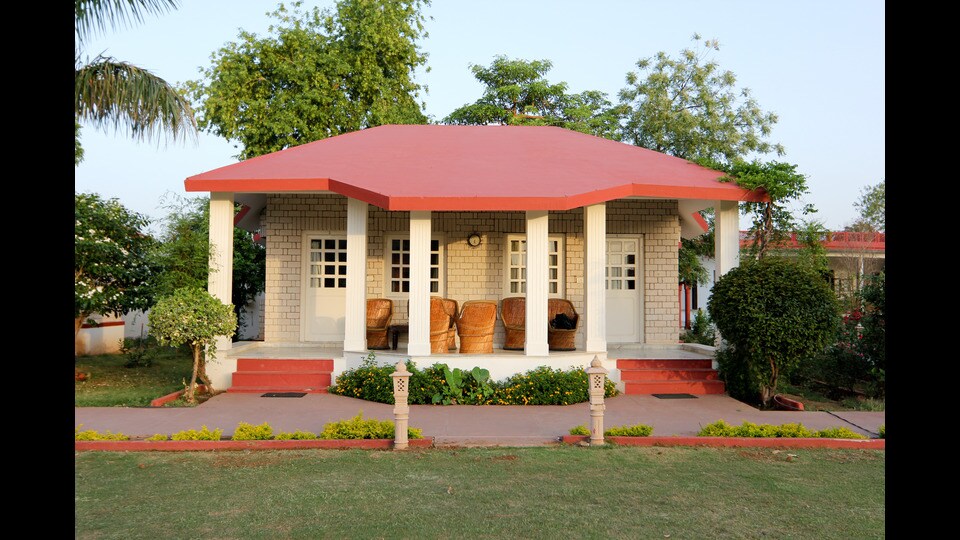
In a cabinet decision, it was decided that 12 such bungalows in the state would undergo restoration works.
While the bidding process for five of them—in Farrukhabad, Narora (Bulandshahr), Devkali (Auraiya), Mathura, and Bithoor (Kanpur)--has been completed, the process is underway for seven others, the government said. The other seven bungalows up for revival are in Munshiganj in Amethi district, Dewa Sharif in Barabanki, Soro in Etah, Kandhla in Shamli, Khurja in Bulandshahr, Hargaon in Sitapur and Patna Bird Sanctuary in Etah.
According to Mukesh Meshram, principal secretary (tourism), the highest bidders will be selected to run these bungalows.
The state government has also invited bids for setting up and operationalising a modern tourist facilitation centre on PPP model in Ayodhya.
Electric buses for Saharanpur, Ayodhya and Firozabad
The state cabinet has approved a proposal for the operation of air-conditioned electric buses in Saharanpur, Ayodhya and Firozabad.
It was decided to form a new special purpose vehicle (SPV) under the chairmanship of the commissioner of the division concerned under the Companies Act 2013 for the operation, management, and maintenance of electric buses in these cities.
The SPV will have the right to decide the routes for running these buses in cities. Apart from determining the fare on the routes, passengers will also have the right to discuss the facilities provided to them.


