What comes out of a coal-fired power plant need not necessarily end up as waste. Uttar Pradesh Rajya Vidyut Utpadan Nigam Limited (UPRVUNL) is attempting to put this principle into practice by looking at everything from fly ash and used oil to scrap metal, wastewater and even old equipment as potential resources.
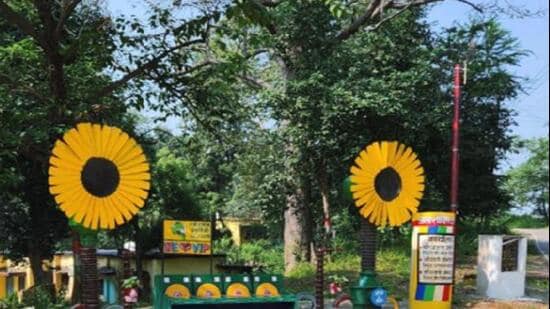
The state power generator is now working on a multi-pronged circular economy strategy at its thermal power stations, focusing particularly on finding new avenues for ash evacuation, reducing energy consumption and recovering value from materials that were earlier discarded.
“Our approach is to move from waste management to resource management. Every material leaving a plant has to be examined to determine whether it can be reused, recovered or put to productive use,” UPRVUNL managing director Mayur Maheshwari said.
Ash management is emerging as one of the biggest components of the initiative. At Panki thermal power station, UPRVUNL is exploring the transportation of ash through railway rakes in coordination with Indian Railways.
At Jawaharpur, a 5-km ash pipeline is being considered to facilitate regular tie-ups with the cement industry in Etah. The Nigam is also examining a “coal in, ash out” model at Jawaharpur to ensure that ash does not accumulate on the plant premises.
“Currently, the fly ash from thermal plants is transported by trucks and hence there is a possibility of it flying and contaminating the air,” superintending engineer Sanjay Gupta explained. He said the disposal of fly ash from thermal plants located far away from cement factories, such as those in Anpara and Obra, remained a challenge and ways were being explored to address it.
{{/usCountry}}“Currently, the fly ash from thermal plants is transported by trucks and hence there is a possibility of it flying and contaminating the air,” superintending engineer Sanjay Gupta explained. He said the disposal of fly ash from thermal plants located far away from cement factories, such as those in Anpara and Obra, remained a challenge and ways were being explored to address it.
{{/usCountry}}Maheshwari said the Nigam was also looking at technology-driven interventions to make its ageing thermal assets more efficient. AI-driven digital twins of equipment are being explored to monitor equipment performance and identify ways to reduce energy consumption.
For this, UPRVUNL has engaged IIT-Kanpur as a technical consultant. The collaboration covers chemical optimisation of the demineralisation plant at Jawaharpur, reduction of auxiliary power consumption at Obra and a detailed energy audit.
“We are also in discussions with the National Environmental Engineering Research Institute (NEERI) to expand the scope of its circular economy initiatives,” he said.
The strategy goes beyond ash. Material Recovery Facilities are being planned at Obra and Anpara to segregate ferrous and non-ferrous metals, plastics, e-waste and waste oil, with recyclable material to be routed through authorised recyclers.
“At Anpara and Obra, improved recovery of fuel-oil sludge has already helped save around 450 kilolitres of oil valued at nearly ₹4.5 crore. The residual sludge is being mixed with coal for use, while old boiler tubes, ESP plates and scrap pipes are being reused for plant infrastructure,” Maheshwari said.
Water is another major focus. UPRVUNL’s thermal stations, he claimed, were moving towards zero liquid discharge, with treated water being recycled for gardening, horticulture and ash transportation. At Panki, a tertiary treatment plant is being conceptualised around a solar-plus-BESS configuration.
The Nigam is also harvesting rainwater from townships for plant operations and infrastructure, using recycled scrap in beautification works and developing a waste park. At Harduaganj, infrastructure and materials left behind by Toshiba are being put to use rather than being allowed to deteriorate.
According to Maheshwari, the objective is not merely to add isolated green initiatives but to make resource efficiency part of everyday plant operations. “We want sustainability to become an operational practice rather than a standalone environmental activity. The effort is to reduce consumption, recover materials and use technology wherever it can improve efficiency,” he said.