The Allahabad high court’s categorical order on October 14 directing Uttar Pradesh government to hold three-tier panchayat elections within next three months has brought rural politics back into focus after it was almost settled that the panchayat polls would be held after 2027 assembly elections.
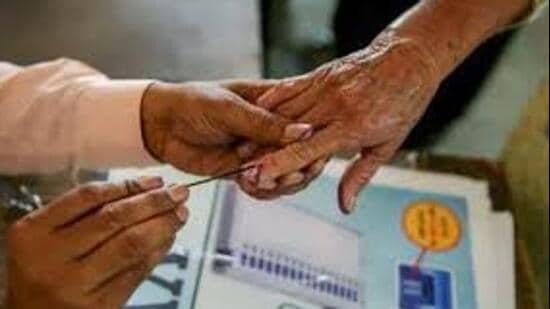
While villages are once again abuzz with the prospects of elections, political parties have so far shown little public enthusiasm for an early contest. Opposition parties made no hue and cry when the BJP government in the state decided in April-May to defer panchayat polls, understandably till assembly elections nor have they stepped up pressure on the government to implement the court’s order immediately the way they could have.
It is widely believed that political parties, ruling or opposition, prefer the rural polls to be held after the assembly elections, apprehending that local rivalries and factional disputes could damage the prospects of their candidates in the bigger electoral battle.
“This time, all major political parties prefer panchayat polls to be held only after assembly elections as they do not want their workers to be pit against one another in highly polarised local rural polls prior to the bigger fight,” a senior BJP leader said.
The HC’s intervention has, however, put the government in a tight spot with the three-month deadline taking the rural electoral exercise into January 2027 when preparations for assembly polls will be at peak.
{{/usCountry}}The HC’s intervention has, however, put the government in a tight spot with the three-month deadline taking the rural electoral exercise into January 2027 when preparations for assembly polls will be at peak.
{{/usCountry}}Welcoming the HC order, panchayati raj minister Om Prakash Rajbhar on Friday said that the government was ready to conduct the elections with ballot papers having already sent to district headquarters and the final electoral rolls prepared. The remaining issue, he said, was the report of the Backward Commission Classes Commission which would determine the reservation for OBCs. He also indicated that assembly elections and board examinations would not necessarily pose an obstacle to conducting panchayat polls.
The minister’s statement comes amid uncertainty over the government’s next move. The government may file a review petition in the high court itself or approach the Supreme Court to seek relief from the high court order.
“We are examining the HC order before making a next move on the government’s directives,” a senior panchayati raj department official said.
“Any such move would have to contend with Article 243E of the Constitution, which provides for a five-year term of panchayats and requires elections to be completed before the expiry of that term and the government’s logistics challenges in view of the Census exercise, board exams and preparations for assembly elections will have to be weighed against these constitutional mandates,” he added.
Rashtriya Panchayati Raj Gram Pradhan Sangthan leader Lalit Sharma said they were not against the HC order asking the government to hold rural polls.
“Our only apprehension is that the three months’ deadline is too short for the government to conduct polls smoothly,” he said. He added that the OBC panel would submit its report by mid-November.
He pointed out that the second phase of Census was beginning in December and February would remain reserved for board exams. “So, practically January is the only month when polls can be held, but much will depend on the level of preparedness on the part of the state government and the State Election Commission (SEC),” Sharma observed.
UP has held six rounds of three-tier panchayat elections since the 73rd Constitutional Amendment Act in 1982 conferred constitutional status on Panchayati Raj Institutions (PRIs) and mandated regular polls under Article 243E, which fixes a five-year tenure and requires elections before expiry or within six months of dissolution.
The first such elections in Uttar Pradesh were conducted in 1995, followed by 2000, 2005, 2010, 2015 and April-May 2021. However, appointment of administrators on certain occasions delayed polls in that particular year while the Covid pandemic interrupted the five-year cycle in 2020.