A government directive aimed at ensuring that bereaved families receive the bodies of their loved ones without prolonged waits appears to be facing implementation gaps in Lucknow, with several recent cases at the King George’s Medical University (KGMU) postmortem house showing delays of several hours and, in some instances, overnight.
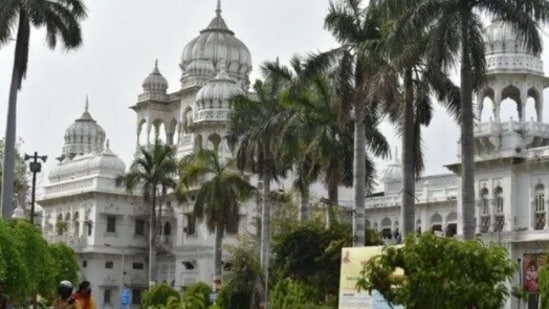
Deputy chief minister Brajesh Pathak had directed officials on June 27, 2025, that postmortems should be conducted within four hours and bodies handed over to families without unnecessary delays. The directive was aimed at reducing the hardship faced by relatives during an already traumatic period.
KGMU spokesperson Prof KK Singh said that although the government had proposed dividing Lucknow into different zones and designating major institutions such as SGPGI, RMLIMS and KGMU as centres for conducting autopsies, the proposed system had not yet been implemented.
Also Read | 2020 disciplinary action: HC sets aside KGMU prof’s termination, orders reinstatement with arrears
“As a result, KGMU continues to handle an excessive post-mortem workload despite having limited staff and resources. However, in cases where families inform us that they have to take the body outside the district, efforts are made to give such cases priority. Similarly, if a family requests a delay due to personal or logistical reasons, the autopsy is deferred accordingly. These factors also affect the time taken to hand over bodies to relatives,” Prof Singh said.
{{/usCountry}}“As a result, KGMU continues to handle an excessive post-mortem workload despite having limited staff and resources. However, in cases where families inform us that they have to take the body outside the district, efforts are made to give such cases priority. Similarly, if a family requests a delay due to personal or logistical reasons, the autopsy is deferred accordingly. These factors also affect the time taken to hand over bodies to relatives,” Prof Singh said.
{{/usCountry}}However, recent cases at the KGMU postmortem house have raised questions over compliance with the directive and the utilisation of available forensic medicine manpower.
On August 21, the autopsy of Divya Mishra, who was allegedly shot dead by her husband Manas Bajpayee in Gomti Nagar on August 20, was allegedly delayed by around three-and-a-half hours. Relatives claimed they had to approach the forensic medicine department and create a commotion before the doctor arrived and conducted the autopsy.
Also Read | In a first, KGMU VC gets second consecutive term
The post-mortem examination of Manas Bajpayee, who allegedly shot his sister Sheeba Bajpayee before turning the gun on himself, was also delayed by around five hours, according to relatives. They said another doctor on the authorised panel had to contact the forensic expert before the procedure was eventually conducted.
In another case, the body of 28-year-old Mohit Dwivedi of Aliganj was brought to the KGMU postmortem house on August 20. Police documents were received around 5pm, records show. Despite a forensic expert being on duty and part of the authorised panel, the autopsy was not conducted that day. It was carried out on August 21, forcing the family to wait overnight.
Similarly, the body of Battu was brought to the postmortem house around 4.54pm on August 20. Despite repeated requests from his family, the procedure was not conducted the same evening.
In another case, the body of 32-year-old Kirti, who died following a snakebite, was brought to the postmortem house on August 25. Her autopsy was conducted the following day, causing further distress to her family.
Also Read | KGMU 500-bed trauma centre rollout likely by April next year
The delays assume significance given the strength of KGMU’s forensic medicine and toxicology department. The department has 37 doctors, including five faculty members, six senior residents, nine junior residents-III, nine junior residents-II and eight junior residents-I.