Sonam Raghuvanshi, 24, has refused to say much about the Meghalya murder case since being brought to the one-stop centre in Uttar Pradesh’s Ghazipur, officials said on Monday.
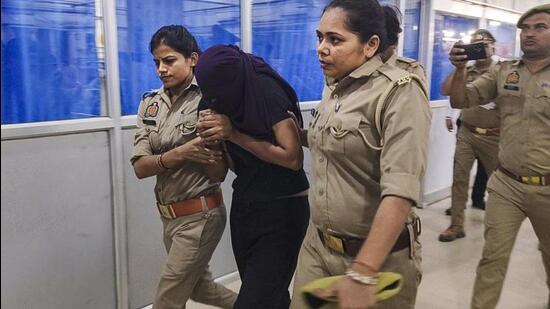
Reportedly fatigued and mentally distressed, Sonam only had a cup of tea in the morning and later took half a roti and sabji (vegetables) in the afternoon in the entire 14 hours since her arrival, according to the centre’s administrator.
A one-stop centre (OSC) provides assistance to women in distress.
Speaking to HT, Priyanka Prajapati, the centre administrator, said, “She was brought here around 5 to 5:30 am. Since then, she has not eaten anything except for a cup of tea and half-roti and sabji in the afternoon after insisting.”
“She only kept saying that she wanted to sleep and complained of severe exhaustion,” Prajapati added.
“We have provided her with a separate room for rest. She is currently under protection, with women constables and our centre’s women staff keeping watch.” “She was taken by police around 7:30 pm. We don’t know if she will be brought here again,” the administrator said. According to Prajapati, Sonam appeared traumatised.
“We are refraining from any kind of counselling at this stage as she is not in the right mental condition to talk. She has refused to engage in conversation, and since the matter is under police purview, we’re cautious about questioning her.”
“After she woke up later in the afternoon, she said she was kidnapped and said she did not kill anyone. Apart from that she refused to say anything as she seems traumatised,” said a staffer at the Ghazipur centre.
{{/usCountry}}“After she woke up later in the afternoon, she said she was kidnapped and said she did not kill anyone. Apart from that she refused to say anything as she seems traumatised,” said a staffer at the Ghazipur centre.
{{/usCountry}}