Once a part of highly profitable micro, small and medium-scale enterprises, India’s wooden and iron handicraft industry is crying for urgent political attention to survive. Decades of neglect and the disastrous impacts of demonitisation and Covid-19 pandemic have only escalated its ordeal.
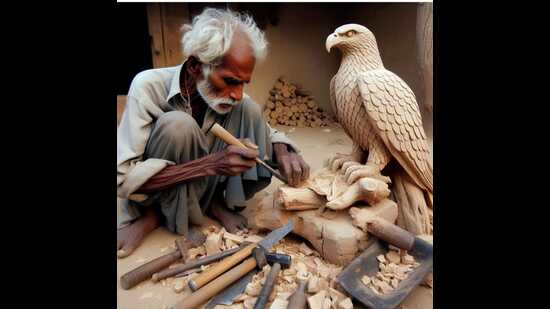
In Uttar Pradesh’s Saharanpur Lok Sabha constituency, known for its hand-carved artefacts, the industry employs two lakh voters directly and another four lakh indirectly.
“No political party or leader has bothered to address our concerns but expect that we will vote for them in the name of caste and religion. In Saharanpur, artisans and affiliate industries are angry and upset because of the failure of every political party to save this dying industry,” says Sabir Ali Khan, a patron of Saharanpur Wood Carving Manufacturers’ Association.
He claims that Saharanpur’s woodcarving, handicraft and cast-iron industry is fast dying as youngsters are refusing to adopt it. Lack of market linkages, financing options by banks and technological advancement is crippling this once flourishing industry, which predates the Mughals.
“We need market linkages and special zones with single window export clearances in Saharanpur since it is the hub of wooden and iron handicrafts,” says Khan, adding upskilling of artisan families is also needed.
{{/usCountry}}“We need market linkages and special zones with single window export clearances in Saharanpur since it is the hub of wooden and iron handicrafts,” says Khan, adding upskilling of artisan families is also needed.
{{/usCountry}}Declining exports
While it is a major foreign exchange earner through exports, the woodcarving industry’s popularity is steadily falling. According to a Press Information Bureau report, the export of wood and wooden products has registered a negative 7.82% growth. Major countries importing wooden products and artefacts from India are Europe, USA, and Canada.
Majhar Islam, a handicraft exporter, says more than 90 per cent artisans associated with the industry are Muslims and the industry contributes a major share in district’s economy. Stating that the export of handicraft products has been declining for the past three years, he said his export output has declined to barely 30 per cent. He attributed this to the Ukraine war, global recession, and low consumer spending.
‘Artisans turning to furniture-making’
Khan points out that local leaders are yet to come up with a concrete plan to redeem the industry. “They probably have not even realised that most artisans have shifted to furniture-making. No doubt it is helping them to meet their needs, but a major handicraft industry of India is dying,” rues Khan.
On January 24, 2018, Uttar Pradesh launched the One District One Product (ODOP) programme that aims to identify and promote one unique product from each of the 75 districts of the state. “The programme has not helped the woodcarving industry,” he says.
The top three candidates vying for the Lok Sabha seat from Saharanpur this time are Imran Masood from the Congress, Majid Ali from the BSP, and Raghav Lakhanpal from the BJP. None have spoken about the struggling industry in their election speeches or during their campaigns so far.