A sharp rise in snakebite cases during the monsoon has pushed a large number of patients from neighbouring districts to Lucknow, highlighting concerns over the availability and accessibility of timely snakebite treatment outside the state capital.
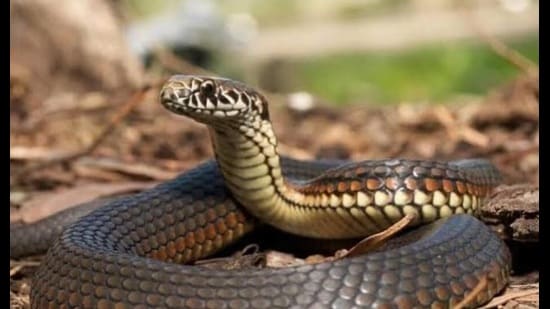
Data from three major government hospitals in Lucknow shows that at least 261 snakebite cases were reported in July. RMLIMS recorded 89 cases, KGMU reported 111 patients in its Trauma Centre casualty area, while Syama Prasad Mukherjee (Civil) Hospital recorded 61 cases.
The trend at RMLIMS is particularly significant. The institute treated 89 snakebite patients in July, compared to 52 in June, an increase of nearly 71%. Of the July patients, 50 came from Barabanki, accounting for more than half of all cases. Lucknow accounted for only 17 patients.
Bahraich, Sitapur, Ayodhya and Sultanpur sent two patients each to RMLIMS, while 15 other districts, including Gonda, Unnao, Hardoi, Amethi and Shahjahanpur, reported one patient each.
The figures indicate that Lucknow is functioning as a major referral centre for snakebite victims from surrounding districts during the monsoon.
A similar pattern was reported at the KGMU Trauma Centre, where 111 snakebite patients reached the casualty area between July 1 and 31. Hospital officials said a significant proportion of these patients came from outside Lucknow.
{{/usCountry}}A similar pattern was reported at the KGMU Trauma Centre, where 111 snakebite patients reached the casualty area between July 1 and 31. Hospital officials said a significant proportion of these patients came from outside Lucknow.
{{/usCountry}}At Civil Hospital, however, the majority of patients were local. Of the 61 cases recorded in July, 42 were from Lucknow and 19 from neighbouring districts.
Civil Hospital director Dr GP Gupta said anti-snake venom (ASV) was a critical component of treatment but stressed that recovery depended on several other factors.
“ASV is vital for snakebite patients, but several other factors are involved in successful treatment. If administering ASV alone could treat snakebite, there would be no need for doctors; any healthcare worker could treat such patients with the injection,” Gupta said.
He added that complications arising from snakebite require appropriate medical management and that higher centres have the facilities to handle severe cases.
Dr Richa Chaudhary, HoD, forensic medicine and toxicology at RMLIMS said venomous snakes found in India primarily produce neurotoxic, cardiotoxic, hemotoxic or cytotoxic effects.
Snakebites can lead to organ failure, blood-clotting disorders and damage to the central nervous system. The first-line treatment is anti-snake venom (ASV), while other complications and severe conditions are managed at higher-level healthcare centres.
The substantial movement of patients from Barabanki and other neighbouring districts to Lucknow has raised questions about whether district-level hospitals have adequate stocks of ASV and the infrastructure and trained manpower needed to manage serious snakebite cases.
The July figures cover only RMLIMS, KGMU and Civil Hospital. The overall number of patients reaching government hospitals in Lucknow is likely to be higher once cases treated at Balrampur Hospital and Lok Bandhu Raj Narain Hospital are included.