
 E-Paper



UP Board Exams: 18 districts marked sensitive, jammers deployed, Kaushambi no longer ‘copying hub’
Education department officials said the spotlight this year has moved to districts such as Agra, Mathura, Aligarh, Hathras, Kasganj and Etah, which are among 18 districts identified as sensitive ahead of the high school and intermediate examinations. While Kaushambi continues to figure on the sensitive list, it is no longer viewed as the most vulnerable district, marking a significant change from its past image.


As Uttar Pradesh prepares to conduct one of the world’s largest school examinations from February 18, Kaushambi district, once synonymous with mass copying in UP Board exams, is witnessing a notable shift in its reputation. No longer the primary flashpoint for alleged examination malpractices, the district’s turnaround has prompted authorities to intensify monitoring in other sensitive pockets of the state.
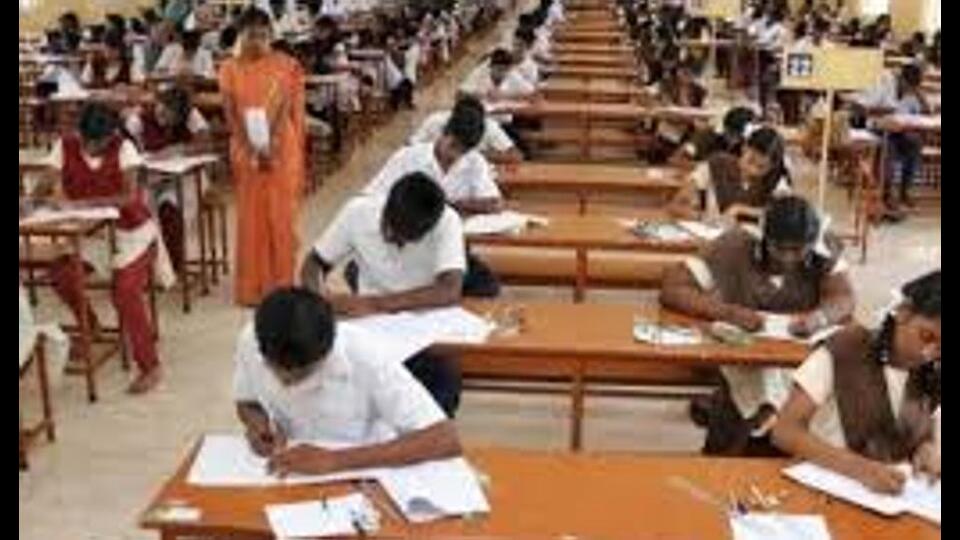
Education department officials said the spotlight this year has moved to districts such as Agra, Mathura, Aligarh, Hathras, Kasganj and Etah, which are among 18 districts identified as sensitive ahead of the high school and intermediate examinations. While Kaushambi continues to figure on the sensitive list, it is no longer viewed as the most vulnerable district, marking a significant change from its past image.
The development comes as the Uttar Pradesh Madhyamik Shiksha Parishad rolls out tighter security arrangements across the state. A total of 222 examination centres have been marked sensitive this year, with measures including CCTV surveillance, voice recorders and the installation of jammers to curb the alleged use of technology by copying networks during exams.
This year, 5.33 million (53.37 lakh) students will appear in the exams beginning February 18, including 2.71 million (27.16 lakh) in high school and 2.49 million (24.91 lakh) in intermediate. In 2025, the board saw around 5.43 million (54.32 lakh) students registered in its examinations.
Officials attribute Kausambi’s turnaround to sustained administrative action, increased use of technology and the involvement of the Special Task Force (STF) to deter organised copying. Aadhaar-linked admit cards and stricter verification processes have also been introduced to prevent alleged proxy candidates from appearing in the examinations.
“The decision to seek help from the STF instilled fear in the copying mafia, weeding out bogus candidates who used to register from various places. The government took measures to restore the glory of UP Board,” said Bhagwati Singh, secretary of UP Board.
Kaushambi, carved out of Allahabad in 1994, gradually became a copying hub due to inadequate infrastructure for conducting fair examinations, according to a secondary education department official.
Post-2020, the situation changed across the state, particularly in Kaushambi. After the Yogi government took office in 2017, intensive action was taken against the copying mafia. Districts like Kausambi, frequently in the news for wrong reasons, received government attention and showed improvement.
“Introduction of CCTV cameras with voice recording, colour-coded stitched answer sheets with UP Madhyamik Siksha Parishad logo, active STF involvement and official determination helped the district shed its old image and earn appreciation. These factors created fear among the copying mafia,” said Mahendra Dev, director secondary education.
District inspector of schools Rajesh Yadav, posted since June 2025, expressed confidence in continuing the good work.
Kaushambi’s troubled past
March 2010: FIRs lodged against 30 principals, including centre managers, and around 50 students from 30 private schools allegedly involved in mass copying during Board exams.
April 2017: Business as usual in examination centres across Kaushambi, notorious for mass copying and fake certificates.
February 2018: Principal arrested for allegedly facilitating copying in Board exam. A photocopier being used to help in copying was seized in Ganja area under Pipri police station.
March 2006: Out of 40,000 students from Kaushambi, only 100 appeared for High School and Intermediate examinations. Thousands of exam forms from colleges notorious for mass copying were rejected by the Board.
February 2020: Thirty solved copies of UP Board maths paper seized in Kaushambi, FIR lodged.


