The Uttar Pradesh government has reiterated its austerity measures as it issued guidelines to all departments to release financial sanctions for use of the first supplementary budget for 2023-2024. The state government got its first supplementary budget of ₹28,760.67 crore for 2023-2024 passed in the state legislature earlier this month and the Uttar Pradesh Appropriation (Supplementary of 2023-2024) Act, 2023, has been notified.
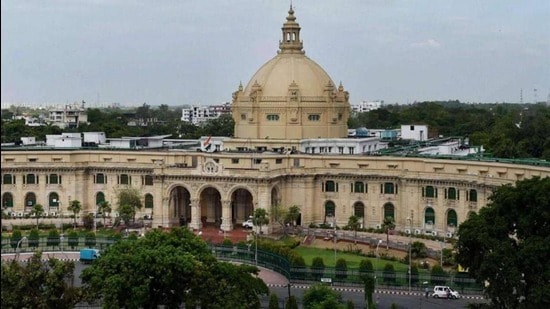
“Ensure compliance of austerity measures issued from time to time by the state finance department. All the proposals about financial sanctions should be put up keeping in view the austerity measures,” said additional chief secretary Nitin Gokarn in an order issued here on December 7, 2023.
A period of barely three-and-a-half-months is left in closure of 2023-2024. However, the state government’s first supplementary budget provided for allocations for key sectors to fund the BJP’s poll promises incorporated in the party’s ‘Sankalp Patra’ for 2022 U.P. assembly elections.
The supplementary budget demanded additional funds for free power supply to farmers (private tubewells) and give religious thrust earmarking funds for Ayodhya and for renovation of old temples ahead of 2024 Lok Sabha elections.
No fresh austerity steps though have been listed now. The state government’s directives in this regard issued earlier had included economy class air travel except in unavoidable circumstances. The state government has already approved annual budget of ₹6.90 lakh crore for 2023-2024. It had asked all its departments to follow the austerity measures and work out the phasing of possible expenditure on a month-to-month basis.
{{/usCountry}}No fresh austerity steps though have been listed now. The state government’s directives in this regard issued earlier had included economy class air travel except in unavoidable circumstances. The state government has already approved annual budget of ₹6.90 lakh crore for 2023-2024. It had asked all its departments to follow the austerity measures and work out the phasing of possible expenditure on a month-to-month basis.
{{/usCountry}}The state government has also asked its various departments that financial sanctions should be issued only for the amount that may be actually used by March 31, 2024. It has asked the departments not to propose transferring the amount to the Public Ledger Account (PLA) as the system of keeping funds in the PLA has been already scrapped.
“U.P. government’s budget for 2023-24 originally was about ₹6.9 lakh crore that has, with the supplementary budget of ₹28, 760 crore, gone past ₹7 lakh crore. To finance such a big budget, adequate resources are also required. Therefore, it is advisable that apart from augmentation of revenues, fiscal prudence is also exercised in expenditure,” said prof Yashvir Tyagi, former head of economics department, Lucknow University (LU).
“Economy measures should focus on productive expenditure and cut in unproductive ones. Departments should also optimise the efficiency of the spending. However, economy in expenditure should not lead to starving of funds for developmental activities,” prof Tyagi added.
Prof Vinod Singh, head of economics department, LU, said, “Austerity measures are already inbuilt in the budget and the same should be spent with austerity. “