
 E-Paper



Worrying first for Lucknow: All six monitoring stations record ‘poor’ or ‘very poor’ air quality
The AQI of 255 is the highest recorded in Lucknow since January 17, 2026, when the city registered 261. Saturday’s reading also marked the third consecutive day that the city’s overall air quality remained in the “poor” category, signalling a steady deterioration as winter approaches.

 Prefer HTon Google


A thick blanket of smog engulfed Lucknow on Saturday morning as the city’s air quality deteriorated to its worst level this season, with the overall Air Quality Index (AQI) touching 255. In a worrying first this winter, all six live air quality monitoring stations recorded readings in the “poor” or “very poor” categories, with none reporting moderate air quality.
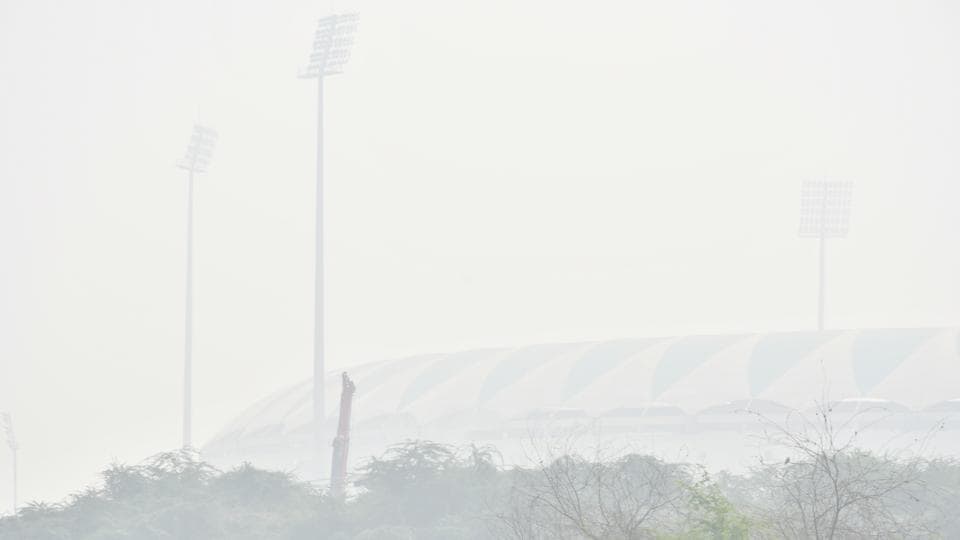
The AQI of 255 is the highest recorded in Lucknow since January 17, 2026, when the city registered 261. Saturday’s reading also marked the third consecutive day that the city’s overall air quality remained in the “poor” category, signalling a steady deterioration as winter approaches.
The situation was particularly concerning at Talkatora and Kendriya Vidyalaya in Aliganj, where the AQI crossed the 300-mark and entered the “very poor” category.
Talkatora recorded 308, while Aliganj registered 307. Lalbagh recorded 262, followed by Dr BR Ambedkar University at 228, Gomti Nagar at 221 and Kukrail at 216. All four stations remained in the “poor” category.
Even Kukrail, often considered one of the city’s green lungs because of its extensive green cover, recorded “poor” air quality for the first time this season.
The broader trend for November has also raised concerns. Of the first 14 days of the month, seven recorded “poor” air quality, two witnessed “good” air quality and five remained in the “moderate” category. This indicates that clean air days have been limited even before the onset of peak winter conditions.
The simultaneous deterioration across all six monitoring stations suggests that the pollution episode is not confined to a particular neighbourhood but is affecting different parts of the city.
With temperatures expected to dip further as winter advances, the persistence of pollutants in the atmosphere could aggravate the situation.


