
 E-Paper



To be human is to have regrets
Regret, often discussed in therapy, reveals our values and guides future choices. Embracing it with self-compassion can aid in personal growth.

 Prefer HTon Google


One of the emotions that often gets discussed in therapy sessions is regret. Clients across age groups talk about their regrets—these could be about people they didn’t reach out to, those they lost touch with, or chances they took or not. It shows up mostly in matters of grief, love, parenting and career choices. While people may not openly talk about regret, the reality is that all of us at some life stage, have felt regret which we silently carry in our hearts. It’s one of those emotions that comes with being human. While regret is often construed as an unpleasant emotion, but if we pay close attention, it can serve as a compass about how we can build a life.
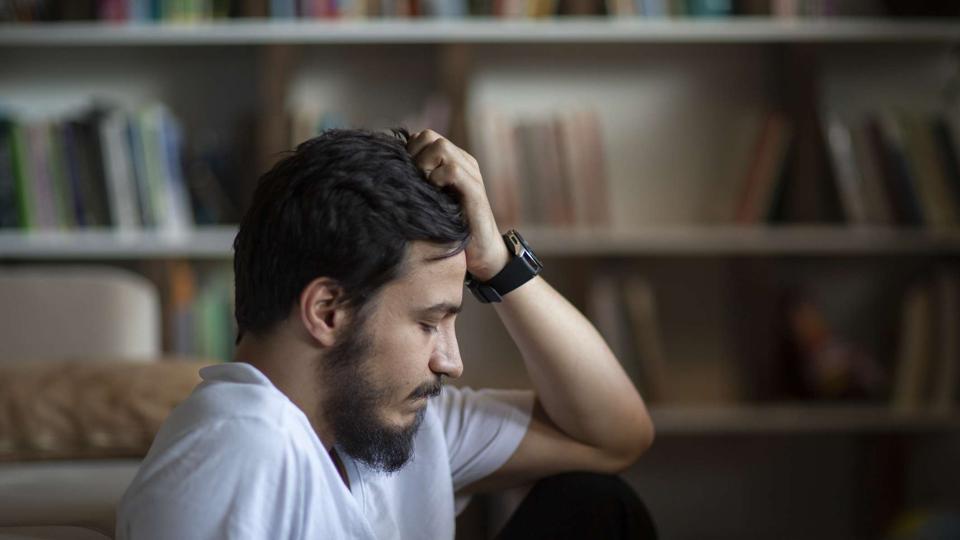
When we experience regret – we feel uncomfortable (to say the least) in relation to a decision or an action from our past. It involves looking back and reexamining an action step or a decision which we did or did not take. It comes with lot of ‘what ifs.’ As Brene Brown in her book, ‘Atlas of the Heart: Mapping meaningful connection and the language of human experience’ says, “With regret we believe that the outcome was caused by our decision or actions.” This component of personal responsibility and accountability often makes it hard for people to even articulate the regret they feel or to process it in turn.
What I see in therapy is that regret is accompanied by feelings of shame, guilt, disappointment in one’s own self and a feeling of anger towards oneself. This pain and sadness that accompanies regret shows up in acts of ruminative thinking – we play out the same scenario over and over in our heads, obsessive thoughts about how we could have behaved or acted differently and a certain helplessness. At the heart of regret is a feeling that we could have chosen differently and that we made a wrong decision. Daniel Pink, who is author of the bestselling book – ‘The Power of Regret – how looking backward moves us forward’ talks about how all our regrets fall into four categories. These are foundation, boldness, connection and moral regrets. Foundation regrets show up in statements such as ‘I wish I had started saving earlier’ or ‘I wish I had begun taking care of my health in my youth’. They largely revolve around being careful, more mindful, more disciplined and so on. Boldness regrets are about chances not taken, paths that one could have explored and chosen, trust that people didn’t extend to themselves. Connection regrets show up in the form of, ‘I wish I had stayed in touch or If only I had made a choice to make time for my partner and be there.’ Moral regrets focus on the kind of human being one wants to be, in the context of ethical and moral decisions. I routinely see clients dealing with dissonance as they struggle with decision making or when they ruminate over past decisions. This can be painful and it can keep us feeling stuck.
So much of adulting is about learning to deal with regret. It informs us about values that are important to us, and can also serve as a guiding light for the future if we choose to articulate what we could have done differently. To do this though requires us to extend compassion to ourselves. While this sounds easy, it can be tough – because as human beings we find it easy to extend compassion, empathy to others but we can be quite hard on our own selves. It’s important then to do that and understand what our regrets tell us about ourselves.

Stay updated with all the Breaking News and Latest News from Mumbai. Click here for comprehensive coverage of top Cities including Bengaluru, Delhi, Hyderabad, and more across India along with Stay informed on the latest happenings in World News.


