
 E-Paper



7 Covid-19 variants behind second wave surge in Varanasi region: Study
Among the variants of concern (VoC), the most predominant variant found in the study was the B.1.617.

 Prefer HTon Google


A joint genome sequencing study by scientists of a multidisciplinary research unit at Banaras Hindu University (BHU) in Varanasi, and CSIR-Centre for Cellular and Molecular Biology (CCMB), Hyderabad, revealed that seven major variants of coronavirus disease wreaked havoc in Varanasi and adjoining districts during the second wave of the pandemic.
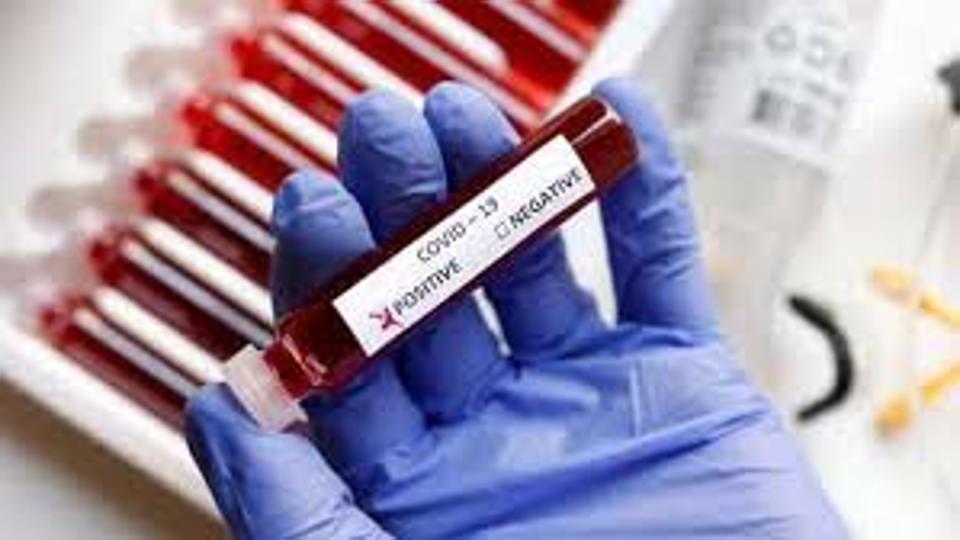
“We started working on the project in April. Our team, including Dr SP Mishra, Dr Deepa Devdas, Dr Priyonil Basu and Dr Chetan Sahni collected samples from Varanasi city and rural areas of Chandauli, Sonbhadra, Jaunpur and Bhadohi mostly in April. The team at CCMB sequenced these samples and found out that there were at least seven major variants circulating in the region. One hundred thirty samples were sequenced in this study,” said head, multidisciplinary research unit, BHU, professor Royana Singh, who led the team of researchers.
“Among the variants of concern (VoC), the most predominant variant we found in our study was B.1.617. This variant was also reported to be one of the major drivers of the second Covid wave in India,” Prof Singh added.
Also read: Alpha to Delta switch behind city’s 4th wave
Singh said professor Gyaneshwar Chaubey of the department of zoology, BHU, was of immense help to them during their study.
“Just as in most of India, the B.1.617.2 variant (aka Delta variant) was the most common among the samples we studied. They were found among 36% of the total samples. Other VoCs such as the B.1.351, detected in South Africa for the first time, was also found in this area,” said Dr Rakesh Mishra, advisor, CCMB.
“This study confirms yet again that the Delta variant is the most widespread coronavirus variant in the country right now. But at the same time, we must keep an eye on other emerging variants in the country to prevent another unprecedented surge in Covid cases,” he added.


