
 E-Paper



Manipur fishermen decide not to use ‘night fishing techniques’ at Loktak Lake
The decision was taken by Manipur’s indigenous fishermen union in an effort to avoid over-fishing and to give a passage for migratory birds


Manipur’s indigenous fishermen union has decided not to use LED bulbs and Injao Thaba, a local technique of night fishing, from December 30 this year till March 30 next year at the iconic Loktak Lake, a Ramsar site housing the world’s only floating wildlife preserve, in an effort to avoid over-fishing and to give a passage for migratory birds.
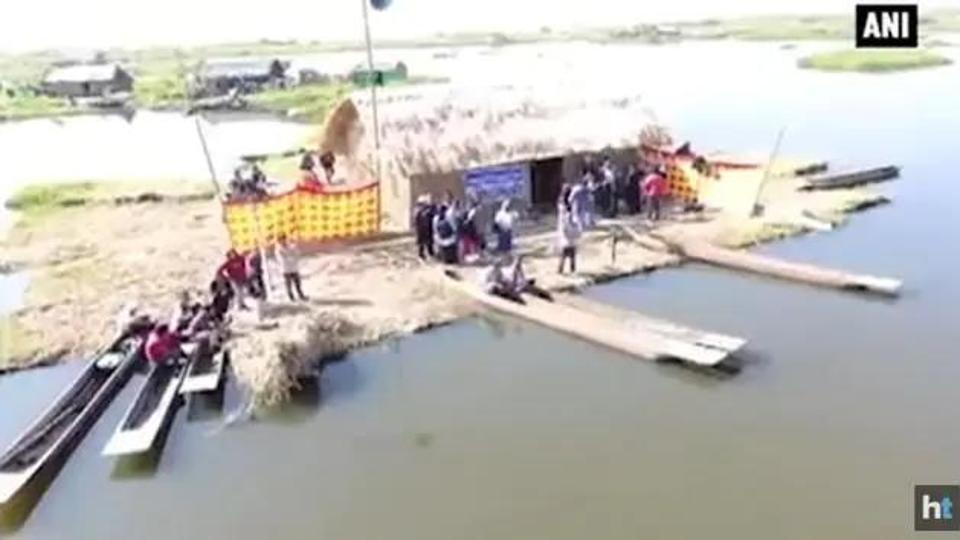
“All fishermen and fisherwomen are advised not to fish using these techniques,” said All Loktak Lake Areas Fishers Union Manipur (ALLAFUM)’s president Heisnam Arunkumar in a press release on Thursday.
The ALLAFUM also wants to stop plying all motor boats at Loktak except some essential ones including the ones between Thanga and Karang islands.
Motorised boats are harmful for aquatic vegetables, fish and traditional fishing apart from disturbing the resident and migratory birds, it said.
“In the past we have written to the Ministry of Environment and Forest and Climate Change. We also appeal Loktak Development Authority to begin ban of motor boats, and the use of LED Bulbs for night fishing,” Arunkumar said.
“In addition, there shall be a strict ban on the use of other deadly techniques such as poison and dynamo using batteries in all seasons.”
Citing the key reasons behind the decision, the ALLAFUM said that the current season is for fingerlings to grow into a more mature fish and continuation of fishing all day and all night can lead to quick depletion of fish population.
“We need to save the fish when they are still very small and it is a matter of sustainability,” Arunkumar said. “Secondly, the migratory birds visit Loktak during this season and it is critical that we do not disturb them particularly at night.”
The migratory birds from many countries used to spend three-four winter months at Loktak, including the 40 sq km Keibul Lamjao National Park on its south western part.
Arunkumar said that using LED bulbs at night do disturb the behaviour of these migratory birds. “To respect them and to ensure that Loktak continues to be a migratory bird’s paradise that we must stop using LED during this season. Remember it has huge potential for eco-tourism.”
The park is dotted with phumdis or floating biomass that sustain several species of animals including the rare Sangai (brow-antlered deer), Manipur’s state animal.


