
 E-Paper



Odisha demands lightning to be declared as ‘natural disaster’
On September 2, at least 12 people were killed in Odisha in lightning strikes. Eight cattle had also died in extreme thunderstorms and lightning activities in the Gajapati and Kandhamal districts

 Prefer HTon Google


Claiming that over 4,000 people have died due to lightning strikes in Odisha in the last 20 years, the state has submitted a proposal to the Centre demanding that it should be declared as ‘natural disaster’, state revenue and disaster management minister Pramila Mallik said on Wednesday.
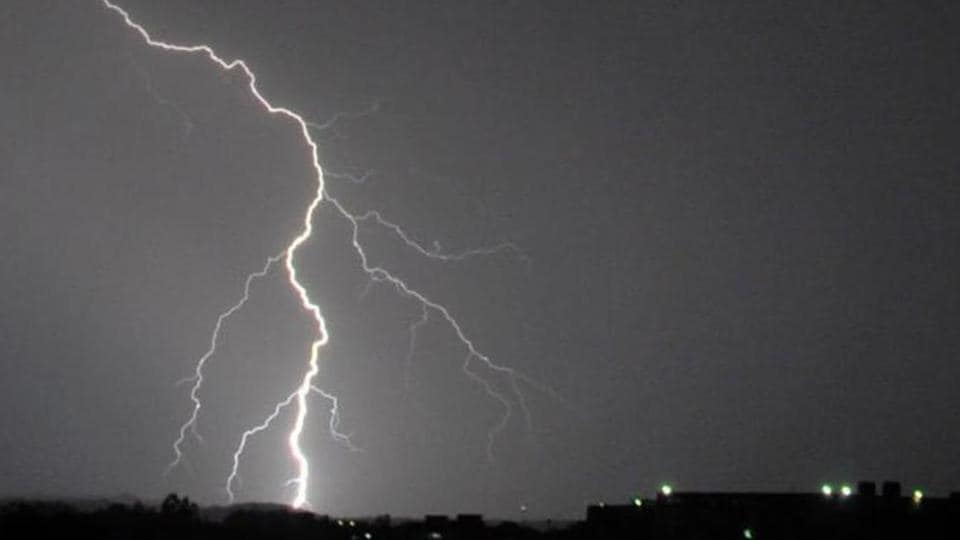
Mallik said many people get killed due to lightning strikes in the state and the Odisha government provides the family of the deceased with a compensation of Rs.4 lakh, “…if lightning is included in the list of natural disasters they will be able to get an increased ex-gratia amount as per the provisions for natural disasters,” added Mallik.
“Odisha government has given a proposal to the Centre in this regard. However, we are yet to get a response. We have also discussed the matter with a Union minister and he has assured us to look into our demands,” the state minister said.
On September 2, at least 12 people were killed in Odisha in lightning strikes. Eight cattle had also died in extreme thunderstorms and lightning activities in the Gajapati and Kandhamal districts.
Lightning was declared a ‘state-specific disaster’ on April 1, 2015.
As per the revised norms, Rs.4 lakh per deceased is now being paid by the government as ex-gratia towards lightning victims’ families.
Prior to 2015, ex-gratia was either being paid from the chief minister’s relief fund or the district gratuitous relief fund.
Most of the victims are rural (96%) which include farmers, women, and children. At least 71% of people who died of lightning strikes were taking cover under trees during rains.
Odisha presents a complex combination of climatic factors that influence the occurrence of lightning, such as the pre-monsoon and monsoon periods, cyclonic activities influenced by sea temperature, and the convective energy of the atmosphere.
Odisha has also launched a drive to undertake the plantation of palm trees along with the vacant roadside patches and forest-bordering areas as these tree species act as protective barriers against lightning during thunderstorms.
As per the ‘Annual Thunderstorm Report 2022-23’ by the Climate Resilient Observing System Promotion Council, Madhya Pradesh has recorded the highest cloud-to-ground lightning strikes followed by Maharashtra, Odisha and Chhattisgarh.



