Pune: The proposal to transfer around four hectares of Central Water and Power Research Station (CWPRS) land at Khadakwasla to the Pune Municipal Corporation (PMC) for its proposed 200 million litres per day (MLD) water treatment plant is awaiting approval from the Union government. The transfer requires inter-departmental clearances as the land belongs to another central government department.
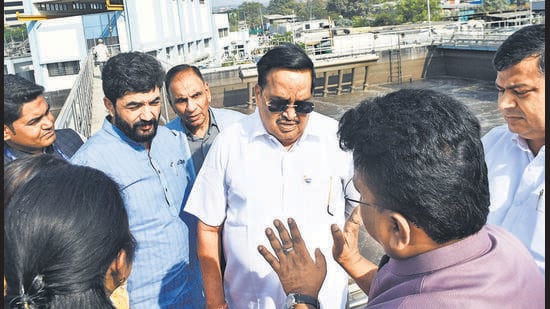
Union Jal Shakti Minister CR Patil, who was in Pune on Thursday, said the proposal had been forwarded through the state government and would be examined by the departments concerned. He indicated that the Centre was positive about the request, but the process would take time.
The issue was discussed at a meeting chaired by Patil at CWPRS, attended by Union minister of state and Pune MP Murlidhar Mohol, Pune mayor Manjusha Nagpure, Pune municipal commissioner Naval Kishore Ram and other officials. PMC sought CWPRS land for a proposed Pune metro station, to which Patil assured a positive response.
The proposed water treatment plant, estimated to cost ₹890 crore, aims to strengthen Pune’s drinking water infrastructure, particularly for the 12 villages recently merged into the civic limits. The detailed project report (DPR) received approval from the Centre’s apex committee, chaired by the secretary of the Union Ministry of Housing and Urban Affairs, on May 11, 2026.
Mohol said the project was crucial in view of the growing population and concerns over water-borne diseases following the Guillain-Barre Syndrome (GBS) outbreak in the newly merged areas. He stressed the need to ensure a regular supply of safe drinking water.
{{/usCountry}}Mohol said the project was crucial in view of the growing population and concerns over water-borne diseases following the Guillain-Barre Syndrome (GBS) outbreak in the newly merged areas. He stressed the need to ensure a regular supply of safe drinking water.
{{/usCountry}}Meanwhile, PMC is exploring Surat’s sewage treatment model to improve wastewater processing and reuse. Surat is considered one of the leading examples in the country for treating nearly 100% of its sewage and reusing the treated water, following a “waste to wealth” approach. The civic body is particularly interested in a financially sustainable system that ensures the long-term operation and maintenance of sewage treatment plants.
Ram said infrastructure for transporting treated wastewater remained a challenge. The chief minister has directed the civic body to complete the pipeline network by October 2027.
CWPRS director M Selva Balan said the land transfer would require scrutiny of its original purpose, present utilisation and relevant clearances before a final decision could be taken by the ministry.