PUNE A study conducted by Pune-based Byramjee Jeejeebhoy Medical College (BJMC) and Sassoon General Hospitals (SGH) has found that the Mucormycosis (more commonly known as the black fungus) epidemic in the city was mostly driven by excess use of steroids during the second wave of Covid-19. The study also found that most Mucormycosis patients were those who had direct contact with the outside environment, namely farmers. Between May 2021 and December 2021, the district reported over 1,548 Mucormycosis cases in just eight months post the second Covid-19 wave - which was one of the highest for any district in the state – 229 out of which succumbed to the infection.
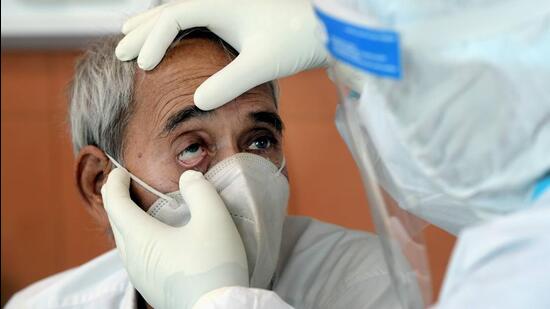
The study was conducted by the internal medicine department of BJMC and was based on the diagnosis and treatment of 25 advanced cases of Mucormycosis. Dr Harshal Bhitkar, one of the doctors in the department who led the study, said, “Most of the cases who came to us at that time were referred to us at a later stage wherein the patient was at a much advanced progression of the fungal infection. At that time, there was a huge shortage of Amphotericin which was the only known drug for the treatment of Mucormycosis however since ours was a state government hospital, there was no shortage and most patients were being referred to us at a later stage. The patients reported eye issues and neurological problems as well in some cases. However, we did find that earlier diagnosis helped in a higher chance of survival.”
The study found that most of the patients recorded uncontrolled diabetes and that in the case of four to five patients, they did not report diabetes prior to the Covid-19 infection but sugar levels shot up due to excess use of steroids. The superadded infection, hypertension, diabetes and steroids all contributed to the high surge in Mucormycosis cases. “We can say that the use of steroids mainly caused the infection. However, we could treat the patients despite the high pressure of inflowing Covid-19 patients as well as Mucormycosis patients with the use of Insulin, Amphotericin and also proper monitoring,” Dr Bhitkar said. She said that in 18 cases where the spread of the fungal infection had progressed and the patients required surgery, only two could not be saved. She added that most of the patients were farmers who came in direct contact with the soil where Mucormycosis causing fungi are commonly present.
{{/usCountry}}The study found that most of the patients recorded uncontrolled diabetes and that in the case of four to five patients, they did not report diabetes prior to the Covid-19 infection but sugar levels shot up due to excess use of steroids. The superadded infection, hypertension, diabetes and steroids all contributed to the high surge in Mucormycosis cases. “We can say that the use of steroids mainly caused the infection. However, we could treat the patients despite the high pressure of inflowing Covid-19 patients as well as Mucormycosis patients with the use of Insulin, Amphotericin and also proper monitoring,” Dr Bhitkar said. She said that in 18 cases where the spread of the fungal infection had progressed and the patients required surgery, only two could not be saved. She added that most of the patients were farmers who came in direct contact with the soil where Mucormycosis causing fungi are commonly present.
{{/usCountry}}According to the World Health Organisation (WHO), Mucormycosis (previously called Zygomycosis) is a rare but serious angioinvasive infection caused by a group of fungi called Mucormycetes. Spores of these ubiquitous fungi (commonly found in soil, fallen leaves, compost, animal dung and air) are inhaled and then infect the lungs, sinuses and extend into the brain and eyes. Less often, the infection may develop when the spores enter the body through a cut or an open wound. Although not contagious, the infection mainly affects people who are immunocompromised or already infected with other diseases. Mucormycosis is an aggressive, life-threatening infection requiring prompt diagnosis and early treatment. Treatment usually consists of antifungal medications and surgery.