The deaths of three tribal girls after a snakebite at an ashram school in Gadchiroli have prompted the Maharashtra State Commission for Protection of Child Rights to plan a comprehensive safety audit of ashram schools, residential schools and hostels across the state. The action comes amid ongoing student protests regarding poor living conditions and safety.
The commission discussed the proposed audit at a meeting on August 22.
The audit is expected to cover drinking water, food, healthcare, sanitation, CCTV cameras, police verification of staff, grievance redressal and feedback from students. The commission also plans to check emergency medical arrangements and the monitoring of CCTV footage.
The move comes two weeks after three girls at an aided ashram school in Japtalai, Dhanora taluka, died after being bitten by a snake while sleeping on the floor of their room on the night of August 10. Three other girls who were bitten were hospitalised.
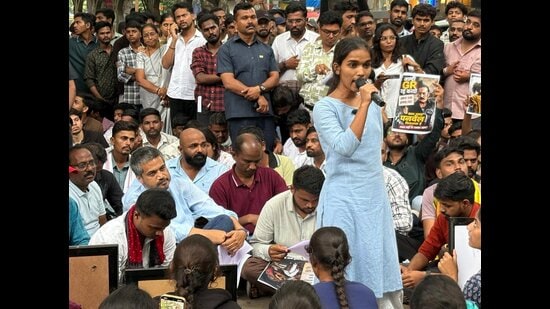
Students at the Manjri tribal community hostel have been on hunger strike for 11 days as of Sunday, demanding changes to the government’s hostel policy and better facilities for tribal students.
Their main demand is withdrawal of the Tribal Development Department’s August 14 government resolution on hostel admissions and framing of a revised policy based on the November 19, 2011 resolution, with allowances revised to account for inflation.
{{/usCountry}}Their main demand is withdrawal of the Tribal Development Department’s August 14 government resolution on hostel admissions and framing of a revised policy based on the November 19, 2011 resolution, with allowances revised to account for inflation.
{{/usCountry}}The students are also demanding better hostel facilities, regular pest control, insurance cover, sanitary-pad facilities, career guidance and personality development programmes, more government hostels and filling of vacant posts.
They have also raised issues relating to tribal reservations, caste validity certificates, rosters and reservation in Provisions of the Panchayats (Extension to Scheduled Areas) Act (PESA) areas.
Shewta Irnak, one of the protesting students, said the demands were about basic safety and dignity rather than merely hostel admissions.
“Safe and clean accommodation, adequate facilities, insurance, regular pest control and access to career and personality-development programmes should not be treated as privileges. After what happened in Gadchiroli, student safety cannot be addressed only after a tragedy,” she said.
The students have also sought annual inflation-linked increases in allowances, insurance coverage and mandatory career guidance, English-speaking, personality development and interview training programmes at hostels.
NSUI state vice-president Shweta Patil, who visited the protesting students, said the government needed to take responsibility for basic safety rather than treating incidents such as the Gadchiroli deaths as unavoidable.
“The real question is accountability. Why were basic safety and accommodation facilities not available to those students? We are not demanding anything extraordinary; we are asking for basic facilities and a safe environment,” she said.
Patil also said students at the Manjri hostel had reported seeing snakes on the premises, raising concerns about whether adequate pest-control and safety measures were in place.
After the tragedy chief minister Devendra Fadnavis ordered the permanent cancellation of the school’s recognition and the shifting of its students to another institution. Tribal development minister Ashok Uike and guardian minister Ashish Jaiswal visited the school and assessed its condition. The government also directed criminal action against the management and sought action against officials responsible for inspecting and approving the school.
The public health department on August 18 also notified snakebite as a notifiable disease.
Uike said the government was considering the concerns of protesting students and would ensure that students from economically weaker and remote tribal communities did not lose educational opportunities because of hostel-related issues.
The department operates 490 government hostels, housing around 58,000 to 60,000 students each year, according to Uike.
“The educational interests of tribal students are the government’s highest priority. The education of poor tribal students from remote areas should not stop merely because they do not get hostel accommodation,” Uike said.