
 E-Paper



Junnar forest dept maps leopard feeding through scat analysis
To better understand leopard behaviour and reduce human-leopard conflict in Junnar, the forest department has launched study of the animal’s scat samples to analyse feeding and prey patterns

 Prefer HTon Google


Pune: In an effort to better understand leopard behaviour and reduce human-leopard conflict in Junnar, the forest department has launched a scientific study of leopard scat samples to analyse feeding and prey patterns. Officials said the findings are expected to generate crucial data to help shape future wildlife management and conflict mitigation policies in the region.
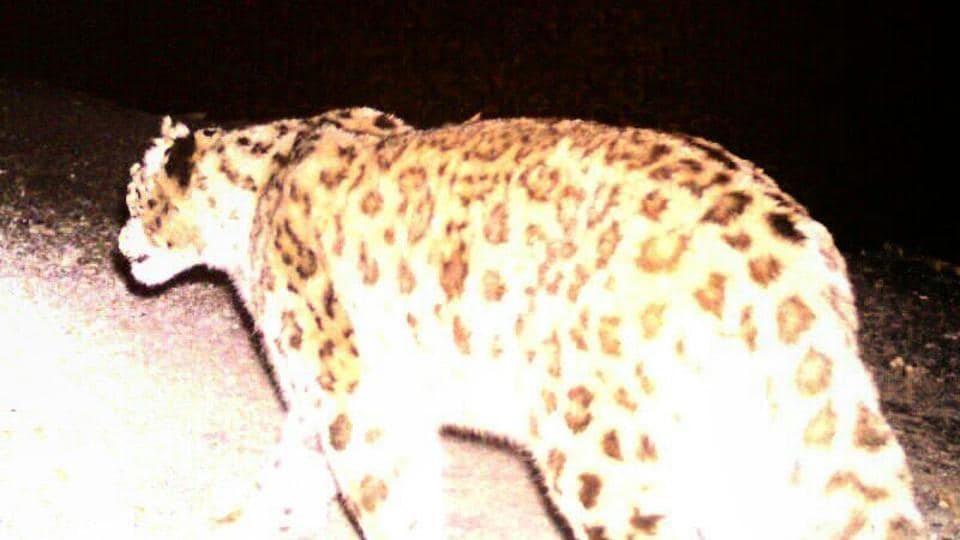
The project was launched in the first week of May and will be conducted over two months across the Junnar Forest Division. The study involves systematic sample collection and scientific analysis of leopard scat to understand feeding habits, prey patterns and movement behaviour in human-dominated landscapes.
The initiative is part of a broader behavioural study being carried out by the Junnar forest division, long identified as one of Maharashtra’s most sensitive human-leopard conflict zones. However, forest officials said no specific leopard count has yet been provided for the current sampling exercise.
Forest officials said the study will help establish a scientific understanding of leopard movement, feeding behaviour and habitat-use patterns in Junnar.
Officials added that the study will also examine whether leopards are increasingly moving towards villages and agricultural areas in search of food, a factor that often contributes to conflict. The analysis is expected to provide insights into prey availability and the ecological pressures influencing leopard behaviour.
“We need scientific data to formulate effective policies for mitigating human-leopard conflict in Junnar. With this objective, the forest department has initiated three major projects: a leopard sterilisation and birth control programme, a leopard census outside protected areas, and a comprehensive behavioural study of leopards in the region. As part of the behavioural study, scat analysis is being conducted to scientifically understand the food patterns and movement behaviour of leopards. The findings from these studies will help the department frame evidence-based conflict mitigation policies,” said Simta Rajhans, assistant conservator of forest, Junnar Forest Department.
Forest officials said traditional conflict-management methods alone may not be sufficient in such landscapes, underscoring the need for scientific, data-driven interventions. Authorities believe the ongoing studies will not only improve understanding of leopard behavioural ecology in Junnar but also support long-term planning for coexistence between humans and wildlife.


