E-Paper



Jharkhand Governor approves appointment of four information commissioners
The Governor cleared the appointments of Anuj Kumar Sinha, Tanuj Khatri, Amulya Neeraj Khalkho and Shivpujan Pathak as the new Information Commissioners in the Jharkhand State Information Commission.

 Prefer HTon Google


Governor Santosh Kumar Gangwar officially approved the state government’s proposal to appoint four information commissioners in the state.
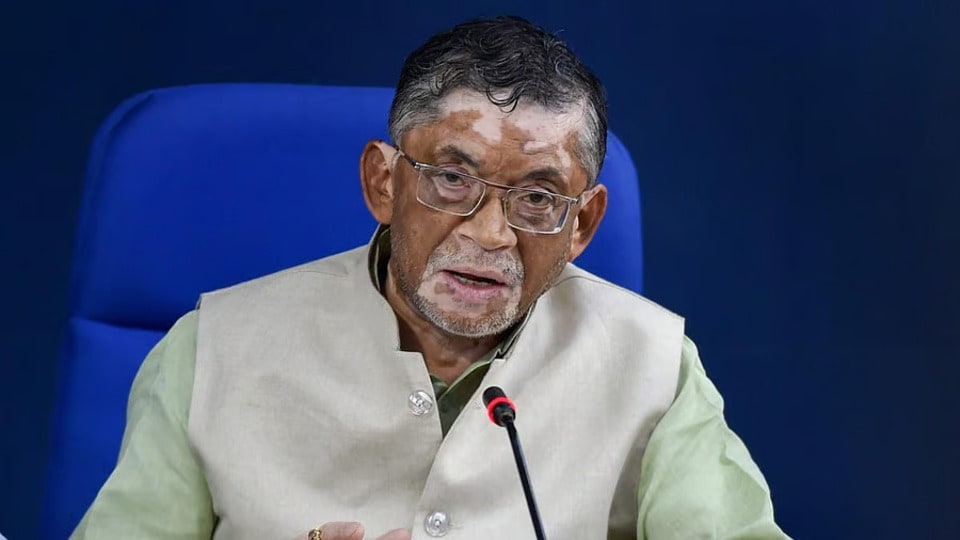
The Governor cleared the appointments of Anuj Kumar Sinha, Tanuj Khatri, Amulya Neeraj Khalkho and Shivpujan Pathak as the new Information Commissioners in the Jharkhand State Information Commission.
The Personnel, Administrative Reforms, and Rajbhasha Department issued the formal notification confirming these appointments. The Governor’s clearance is subject to crucial conditions directed toward ensuring the smooth, unhindered, and transparent operation of the Right to Information (RTI) framework in the state.
The Governor explicitly directed the state government to immediately ensure the early selection and appointment of a Chief Information Commissioner to run the Commission efficiently. He clarified that the state government will bear full responsibility if any procedural discrepancies are detected or if issues arise regarding compliance with Supreme Court orders governing these appointments.
As per section 16(3) of the Right to Information Act, 2005, the appointments of the four new Information Commissioners will strictly become effective from the day they take their official oath.
Their tenure is fixed for three years or until they reach the age of 65, whichever comes first. The order was processed and forwarded under the authority of Avinash Kumar, the additional chief secretary to the Government of Jharkhand, for immediate publication in the extraordinary issue of the Jharkhand Gazette.
The context behind Governor Gangwar’s conditional clause stems from intense controversy surrounding the appointments, which were rushed to avoid a Jharkhand High Court contempt warning after the Commission had been defunct since 2020. Because three of the four selected commissioners had active, direct political affiliations, civil society and legal experts flagged the selections as a blatant violation of Section 15(6) of the RTI Act and Supreme Court mandates requiring strict non-partisan independence.
Recognising that the state government “partitioned” these quasi-judicial posts among political nominees without a leading Chief Information Commissioner in place, the Governor inserted the rigid liability clause to insulate the Lok Bhavan from impending legal challenges, forcing the State Government to bear sole accountability for any procedural deviations or violations of apex court orders.