
 E-Paper



All isn’t well with BJD, the blame lies within
The BJD in office turned into an extension of Naveen Patnaik’s personality and became overtly centralised.

 Prefer HTon Google


Odisha chief minister Naveen Patnaik’s aide and Biju Janata Dal (BJD) leader VK Pandian believes that the Bharatiya Janata Party (BJP) may split his party to come to power in the state. In a competitive electoral democracy such as India, political parties do poach rivals to expand their base or to form the government, especially ahead of elections. The BJD too has been welcoming leaders from other parties. There is nothing unnatural about it, except that it may be an excuse to complain about ideological infidelity and the transformation of politics into a transactional vocation.
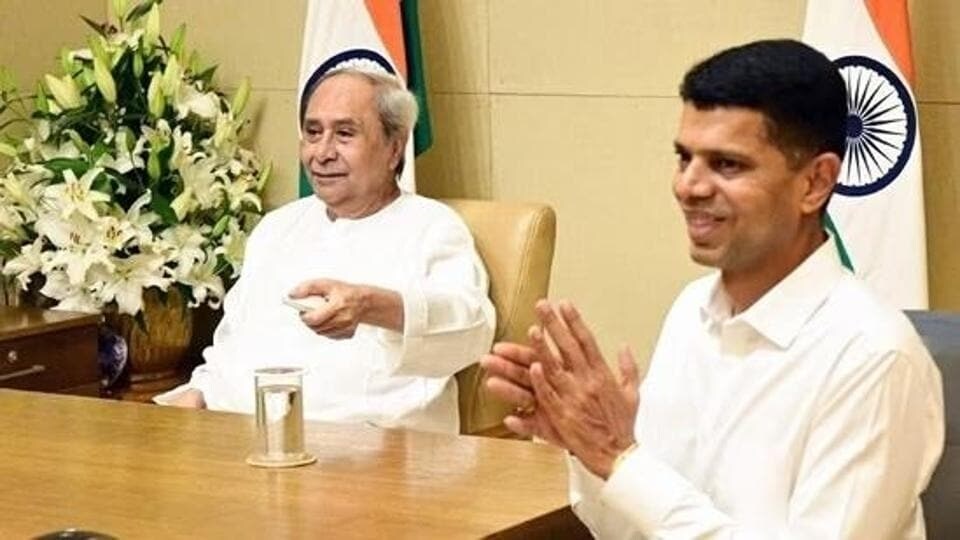
With the first phase of elections in Odisha set for May 13, and accepting Pandian’s comments at face value, the question is why the party fears a split now. The BJD has had a remarkable run in electoral politics since its founding in 1997. Patnaik has been Odisha CM since 2000 and the state has done well under his stewardship. Despite this record, if the BJD needs to watch out for poaching by rival parties, then the answer could well be its own structural frailties. When Patnaik broke with the Janata Dal, he had a set of popular leaders with him who laid the ground for a regional party that claimed the anti-Congress, socialist space that existed in Odisha and the political legacy of his father, Biju Patnaik. However, the BJD in office turned into an extension of Naveen Patnaik’s personality and became overtly centralised. The centralisation of power empowered the bureaucracy and while this may have helped Patnaik to streamline governance, it limited the space for other leaders, which explains the disillusionment one hears from the lower rungs of the party. This is manifest in the meteoric rise of Pandian, who is now seen as Patnaik’s successor despite his limited political experience. An ambitious BJP may only be threatening to exploit this succession crisis in the BJD.


