
 E-Paper



Chasing the ghosts of the Emergency
The noise about secularism and socialism misses the larger damage that the 42nd Amendment did to the Constitution

 Prefer HTon Google


A debate is brewing over the insertion of two terms — secular and socialist — into the Preamble of the Constitution during the Emergency. First, Uttar Pradesh chief minister Yogi Adityanath called it “a brutal assault on the soul of India”. A day later, RSS general secretary Dattatreya Hosabale said these terms were inserted when “the country had no functioning Parliament, no rights, no judiciary “ and asked for a review. Vice-president Jagdeep Dhankhar and several BJP leaders have joined the debate — some have described secularism as anti-Sanatana Dharma and a Western concept. The Opposition has criticised these remarks as evidence of the present regime’s intent to subvert the Constitution.
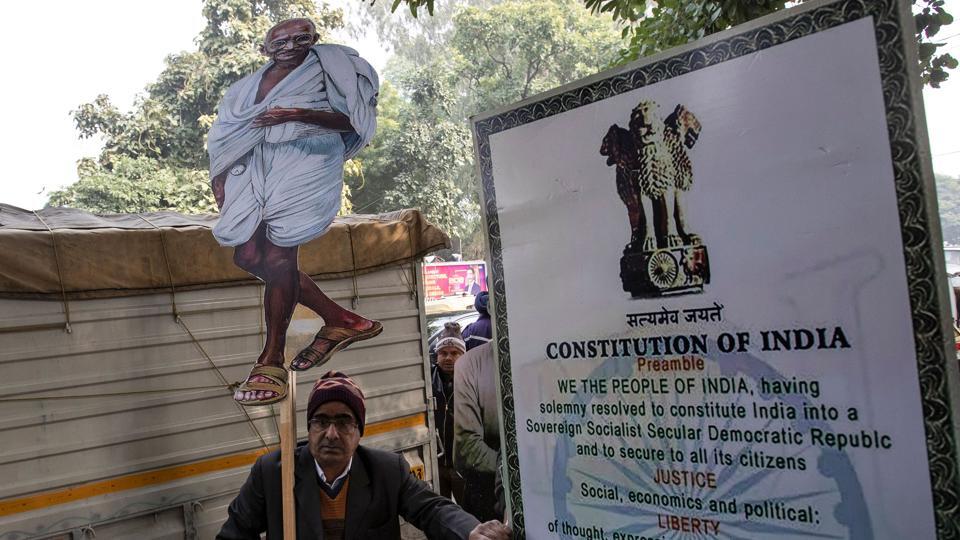
Secular and socialist were added to the Preamble through the 42nd Amendment to the Constitution in 1976. It was done, probably, to emphasise the Emergency regime’s political stance: the then PM Indira Gandhi wanted to be seen as the guardian of secular values, which she claimed, was under threat from RSS (and Jamaat-e-Islami and Ananda Marga). Under her, India aligned with the Soviet Union, and she wanted the government to be perceived as committed to socialism. A close reading of the 42nd Amendment will reveal that these additions were more for optics and masked the serious damages made to the basic structure of the Constitution. For instance, the amendment toyed with the legal architecture of the country by reducing the powers of the courts and making the judiciary subservient to the political executive. The Seventh Schedule of the Constitution, which delineates the powers between the Centre and the states, was tampered with to shift the federal balance in favour of the Centre. Fundamental Duties were introduced and the Directive Principles were given precedence over Fundamental Rights, which, in effect, subverted the pact between the citizens and the States, with rights relegated to the background.
The Janata government introduced the 43rd and 44th Amendments to undo the damages done by the 42nd Amendment. But secular and socialist were allowed to stay on in the Preamble by the governments that followed the Emergency regime. No party, perhaps, wanted to be seen as anti-secular or anti-poor (in the Indian context, socialism means being pro-poor). Nor were the changes in the Seventh Schedule, delineating powers between the Union and the states, undone. Some of the challenges to federalism (especially evident now) can be traced back to these changes. If any aspect of the 42nd Amendment needs review, it is this.


