With the Karnataka elections behind it, the NDA government should start focusing on the economy. Rising oil prices and the strengthening dollar are a cause for concern, although India’s foreign-exchange reserves, still at a healthy $417 billion, are not — at least, not yet. Of these, happenings in the oil market are worrying. Oil prices have shot up sharply. In 2016-17, the average price of crude in India’s basket (since we import from a variety of sources, this number, released by the petroleum ministry, is effectively India’s oil import price) was $47.56 a barrel. That rose to $56.43 in 2017-18. It was $63.80 in March. By April, it was $69.30. It is certain to have gone up further in May. Oil is currently trading at close to $80 a barrel.
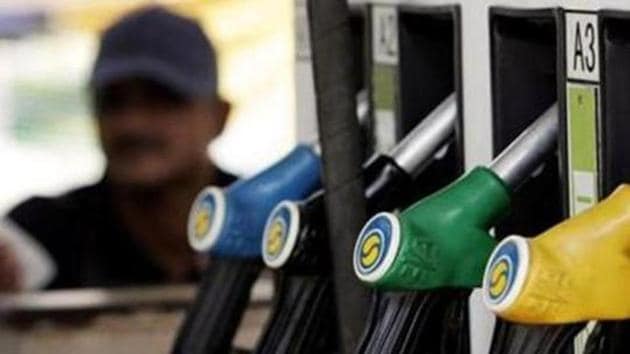
A surge in oil prices throws India’s macroeconomic equation out of balance. It causes the country’s trade and current account deficits to widen. It also affects the current government in another way: when oil prices fell, it increased the duties on fuel, and used the revenue from this to strengthen its own finances, keeping the fiscal deficit under control. Now, if the government doesn’t cut back on the duties, retail fuel prices will increase, which is what is happening right now. Higher fuel prices will stoke inflation, strengthening further the Reserve Bank of India’s case for increasing the interest rate. Higher fuel prices will also pinch the consumer, resulting in some political backlash. When it was the main national Opposition, the Bharatiya Janata Party made much of high fuel prices (and also a weak rupee).
Fortunately for India, its significant oil imports from Iran will not be affected by the US sanctions against the West Asian country. India and China, the world’s third, and second highest importers of oil respectively, are also exploring the creation of a so-called consumers collective of countries that are major importers and driving harder bargains with sellers such as Saudi Arabia. With demand for oil certain to keep increasing in India and China, at least in the short to medium term, the argument is that it makes sense for sellers to offer better prices to the two countries. There’s more good news for the country: the IMF believes the impact of rising oil prices on the Indian GDP will not be significant.
{{/usCountry}}Fortunately for India, its significant oil imports from Iran will not be affected by the US sanctions against the West Asian country. India and China, the world’s third, and second highest importers of oil respectively, are also exploring the creation of a so-called consumers collective of countries that are major importers and driving harder bargains with sellers such as Saudi Arabia. With demand for oil certain to keep increasing in India and China, at least in the short to medium term, the argument is that it makes sense for sellers to offer better prices to the two countries. There’s more good news for the country: the IMF believes the impact of rising oil prices on the Indian GDP will not be significant.
{{/usCountry}}That still leaves the government with the task of managing the domestic situation, though. It may well have to give up the fiscal bonanza it has got used to if it wants to keep consumers (who are also voters) happy.