
 E-Paper



Illicit liquor economy points to a social crisis
The easy solution prescribed by many to curtail illicit liquor deaths is prohibition. But does it really work?

 Prefer HTon Google


The tragedy of over 50 people dying after consuming illicit liquor in Kallakurichi, a town in Tamil Nadu, has turned the spotlight on alcohol consumption in the state. Excise revenue is a major contributor to Tamil Nadu’s finances, and the government controls wholesale and retail vending of alcoholic beverages through state-run (TASMAC) utilities. This dependence on alcohol to fund state expenses, including the large spending on welfare, has been criticised by civil society members and the Opposition in light of the deaths.
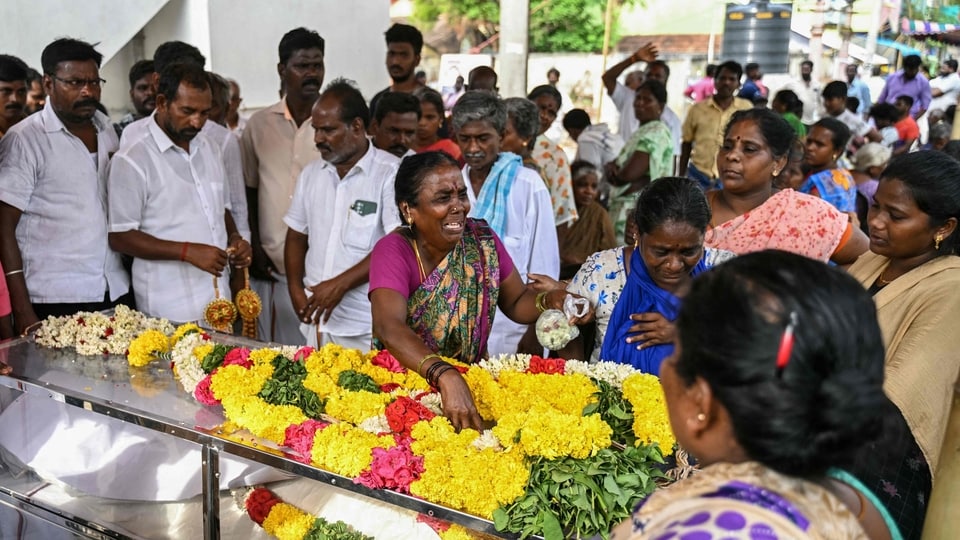
The easy solution prescribed by many to curtail illicit liquor deaths is prohibition. But does it really work? Prohibition ends up criminalising the production and distribution of liquor and invariably facilitates a black economy that enables rent-seeking by criminals and their political patrons. Tamil Nadu has experimented with prohibition fully and partially, from 1937 onwards, only to realise that the moral claim that it is a pro-poor measure is false. It has found, instead, that it is the poor who suffer the most under prohibition.
In Kallakurichi, the bulk of producers and consumers were from the lowest strata of the society. Illicit brewing flourished because it contributed to the political economy in multiple ways. The consumers were mostly wage labourers including conservancy workers with no surplus income or avenue for leisure and could not afford the Indian-made foreign liquor (IMFL) sold in TASMAC shops. Better regulation through policing may help to stop the production and sale of illicit brew. However, the problem needs to be understood as a social crisis, and measures ranging from de-addiction and temperance interventions to the availability of cheaper but safe local brews need to be discussed. Moral outrage and an over-regulating State are unlikely to resolve this problem.


