In many places, Delhi’s cityscape suggests haphazard expansion. But that is not due to a lack of planning. What the Capital has lacked is the ability to make such plans work. From the Master Plan for Delhi (MPD) 1981 to MPD-2001 and MPD-2021, every draft has promised growth, affordable housing, decentralised jobs, better transport, and protection of green spaces. Each plan delivered something — from a clutch of planned colonies to the Delhi Metro. But some issues — ironically foreseen
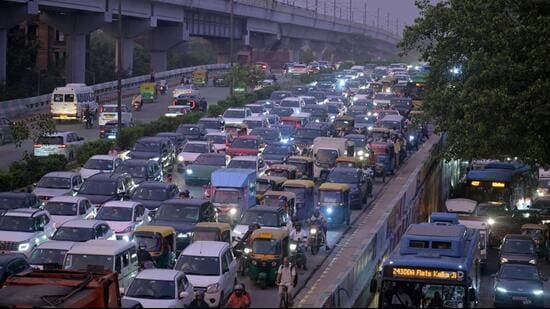
In many places, Delhi’s cityscape suggests haphazard expansion. But that is not due to a lack of planning. What the Capital has lacked is the ability to make such plans work. From the Master Plan for Delhi (MPD) 1981 to MPD-2001 and MPD-2021, every draft has promised growth, affordable housing, decentralised jobs, better transport, and protection of green spaces. Each plan delivered something — from a clutch of planned colonies to the Delhi Metro. But some issues — ironically foreseen by each successive plan — have become entrenched: unauthorised colonies, housing supply mismatches, congestion, and disappearing open spaces, among them.
The plans assume the city will behave according to the road map, but Delhi does not. People migrate, land prices rise, informal settlements appear, businesses change, and transport patterns evolve much faster than a 20-year document can anticipate. Under MPD-2021, land pooling and transit-oriented development were meant to reshape housing and mobility, but implementation continues to struggle. Similarly, last mile connectivity has been mentioned in plans since 2001, but the real-world demand-supply gap is glaring.
MPD-2047, now notified, offers another opportunity. Its success, however, will not be measured by how progressive its provisions look, but by how quickly they reach the street, which has historically been the city’s problem.
This is the story in Delhi — and across Indian cities. Master plans are frequently undermined by fragmented agencies, slow approvals, weak enforcement, uncertain land ownership and planning that does not keep pace with economic and demographic change. A city cannot be planned once and then left alone for two decades. It needs continuous monitoring, empowered institutions, political will and the ability to correct course.
One Subscription.
Get 360° coverage—from daily headlines
to 100 year archives.
Archives
HT App & Website