
 E-Paper



Prada’s Kolhapuri story reveals hidden opportunities
Collaboration with a Prada or a Dior represents access to a wider market for Indian artisans, and with premium valuation for products and designs

 Prefer HTon Google


In a globalised, hyperconnected world, how do we protect local art, craft, cultural markers, and related intellectual property from appropriation by foreign commercial interests — via “inspiration” — without any of the gains flowing to the artisans and craftsmen? This is the question at the centre of the latest instance of distinctly Indian artisanry being appropriated by a multi-billion Western fashion-house. Prada recently featured footwear that was virtually indistinguishable from Kolhapuri chappals. What was passed off as the fashion label’s creative output, has been the signature product of craftsmen of the Kolhapur region for centuries now, acquiring its GI tag in 2019.
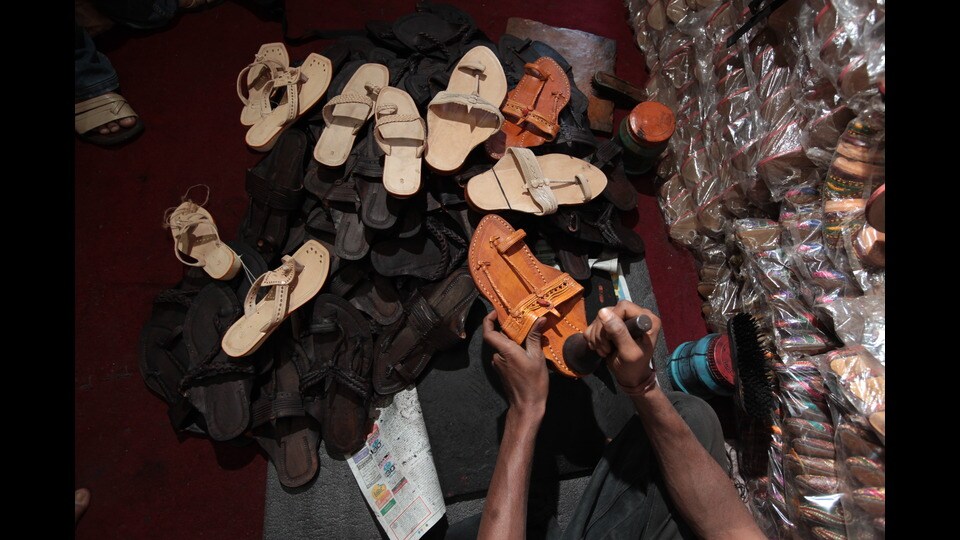
Indian art, artisanry, and crafts have had many imprints across Western fashion. On the one hand, there is lifting without attributing — Gucci’s kurta copy, Toteme’s “Scandinavian scarf” that was clearly a dupatta — and on the other is acknowledgment and collaboration, as Dior did with its 2022 fashion show, where it showcased the work of Indian artisans including embroiderers. Cultural appropriation dilutes the uniqueness and identity of the root product/design and must be treated as a grave ethical violation in an industry centred on original creative output and IP.
But, the latest episode also highlights an opportunity for Indian artisans. Pressured into acknowledging its sandal’s Indian roots, Prada has reportedly expressed keenness to work with local artisans. Much of Indian artisanry shares the same story, of artisans’ penury given the lack of scale and limited markets. Against such a backdrop, a Prada or a Dior represent access to a wider market, and with premium valuation for products and designs. So, even as the artisans and other stakeholders push for acknowledgment, the larger fight has to be about ensuring participation.


