
 E-Paper



The consensus in US on China
By raising the tariffs on Chinese products, the Biden regime builds on the Trump legacy

 Prefer HTon Google


In a starkly divided America, Democrats and Republicans agree and act together on one subject — the need to compete with China. Their political argument is not about the desirability of this competition but projecting one’s own party as stronger and more effective against China. And few issues illustrate it more clearly than trade.
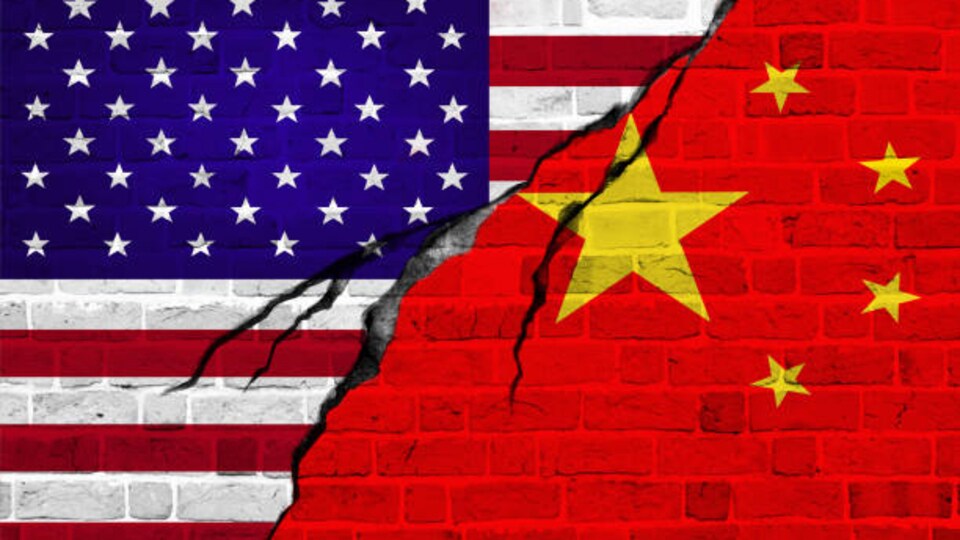
As President, Donald Trump made the trade deficit with China a way of aggregating the discontent of the American working class that had lost out due to the shift in manufacturing to China. He then initiated what was billed as a trade war with China by imposing stiff tariffs, even as the intricate and deep economic interdependencies between the two countries have remained. This week, President Joe Biden doubled down on that approach, imposing and increasing tariffs on the import of steel and aluminium, electric vehicles and batteries, solar cells and semiconductors, medical devices and more from China. The move is both an electoral signal to American businesses and workers that the Biden administration is committed to its interests and a strategic and commercial signal that the US will do what it can to prevent China from controlling the critical green sectors of the future. Trump, meanwhile, has promised that if re-elected, he will impose a 10% tariff across the board, with a higher tariff on Chinese imports and a four-year plan to eliminate them altogether in essential goods.
Both leaders differ on the nature, scale and pace of the tariffs and see the other as weak or reckless. The Democrats and the Republicans differ on the endgame of the broader US-China competition or even the definition of victory. But the competitiveness over who is more of a hawk on China on trade reveals a fundamental political consensus around the idea that the US must urgently reduce its dependence on China across sectors; it must bring back industry to America through higher tariffs; and it must have its own industrial policy in critical tech and green sectors.
The US and China talk, as they should. Indeed, just as Biden was announcing his tariffs, top tech policy officials from both sides were meeting in Geneva to discuss Artificial Intelligence safety. And the two countries will have moments of enhanced engagement and efforts to prevent an outright conflict. But they are competing vigorously in domains as varied as defence and strategy and economy and trade and cyber and space. This mix of continued adversarial US-China ties, with a degree of engagement, suits India just fine as Delhi leverages global fault lines to build its own capabilities.


