In the 15 years since it’s inauguration in December 2002, the Delhi Metro has become a mundane, everyday part of the Delhiite’s life. As it winds its way around the many elevated corridors and deep tunnels beneath the city, the ways in which it has changed life around it are not immediately evident. In a city notorious for its aggression, the metro gave women a chance to stay out late – at least as late as the metro timings allowed. Special women’s compartments in every train have added to the feeling of being in a ‘safe’ space, even if incidents of theft are rising. Parts of central Delhi have witnessed an urban renewal that would not have been possible without the metro. And some far-flung suburbs have witnessed the kind of development that would have been inconceivable without the network effect.
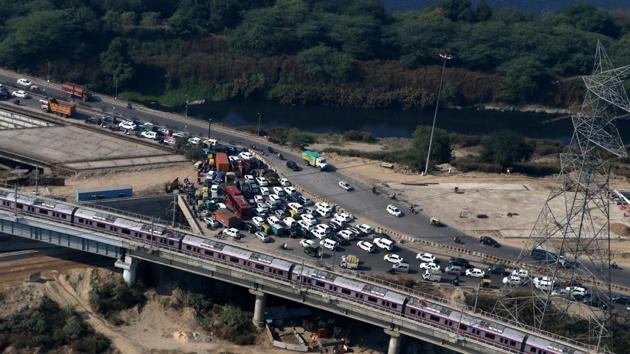
The metro also taught Delhiites how good public transport could reduce travel times and make travelling through the city less arduous. Many of those who swore by their own vehicles have embraced the idea of ravelling by the metro. A parallel ecosystem of hawkers, vendors, and rickshaws that have mushroomed around metro stations have given the city a more dynamic, more awake sense of movement, even after it gets dark. The more than 200km long metro network that connects about 180 stations in and around the city of Delhi has made it less cumbersome to visit far-off places, and even made famous places (that are also famously congested with traffic) such as Chandni Chowk in Old Delhi easier to visit. It is also the first railway project in the world to earn carbon credits under the UN’s Clean Development Mechanism.
There still remains a lot to be done before Delhi can call itself a ‘world class’ city in terms of public transport, though. Last mile connectivity to the metro remains a major drawback because of the lack of dependable feeder services. Safety around the stations remains a concern. An integrated multimodal public transport system that a city as vast as Delhi desperately needs still remains a distant dream. But until that dream can be realised, the metro remains the pride and joy of the residents of Delhi – and the envy of the residents of every other Indian city.
{{/usCountry}}There still remains a lot to be done before Delhi can call itself a ‘world class’ city in terms of public transport, though. Last mile connectivity to the metro remains a major drawback because of the lack of dependable feeder services. Safety around the stations remains a concern. An integrated multimodal public transport system that a city as vast as Delhi desperately needs still remains a distant dream. But until that dream can be realised, the metro remains the pride and joy of the residents of Delhi – and the envy of the residents of every other Indian city.
{{/usCountry}}