
 E-Paper



The ministerial route to party expansion
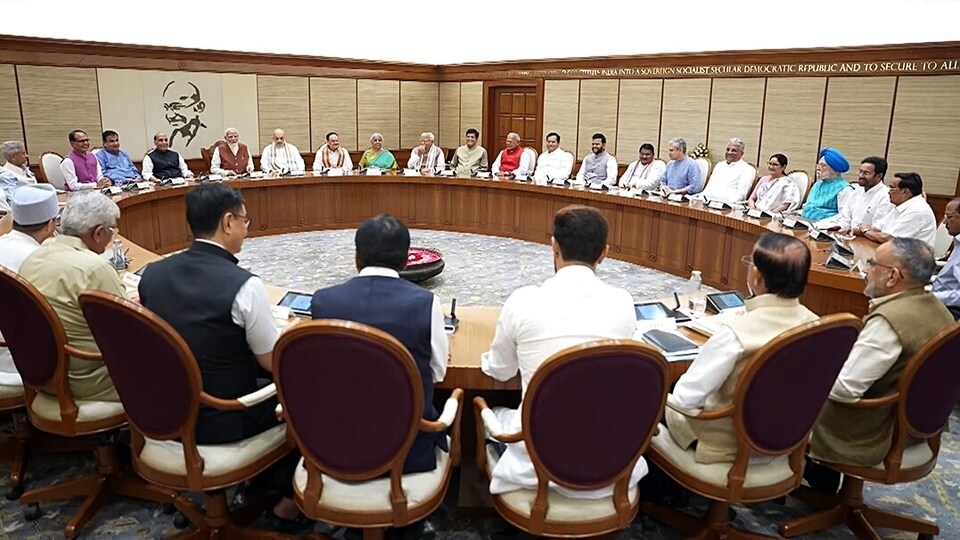
The 72-member council of ministers gives some insights into the Bharatiya Janata Party’s (BJP) regional and communal aspirations.

 Prefer HTon Google


The 72-member council of ministers gives some insights into the Bharatiya Janata Party’s (BJP) regional and communal aspirations. For instance, take the representation of ministers from Tamil Nadu, Punjab and Kerala. They suggest the party’s ambitious plans to expand its footprint in states that have so far resisted its overtures. Take the case of Ravneet Singh Bittu from Punjab and L Murugan from Tamil Nadu. Though both of them lost their elections, they have been included in the ministry. Similarly, there are two ministers from Kerala, where the party won just a single seat: One of them, Suresh Gopi, made history by becoming the first BJP MP from the state, while the other, George Kurian, is a Christian leader. Since the Shiromani Akali Dal broke its alliance with the BJP, the latter has been trying hard to build its base in Punjab by importing leaders from other parties. The choice of Bittu, the grandson of former Congress CM Beant Singh, assassinated by terrorists in office, can buttress the party’s nationalist plank. Though it did not win any seats, the BJP, with 18.56% votes, has emerged as the third largest party in Punjab, behind Congress and AAP.
Similarly, the BJP has continued to invest in Murugan, 47, who belongs to a subcaste underrepresented in Tamil Nadu’s Dalit politics. Murugan, perceived as soft towards the AIADMK, a potential ally, has been preferred over state head K Annamalai. In Kerala, Kurian’s choice reaffirms the BJP’s outreach to Christians. The party’s vote share in the state has risen to 16.68%, and it had leads in 11 assembly segments, which suggests that it perceives an opportunity in the state’s two-front polity. All these choices point to a party working out a long-term plan to win over voters who have repeatedly ignored it. Patronage is, of course, a legitimate political instrument to win support.


