The leaders on either side of the divide have changed and so have the eras, but the century-old dispute between Karnataka and Tamil Nadu over sharing the water of the Cauvery simmers. This week, a potential face-off between Karnataka chief minister DK Shivakumar and his Tamil Nadu counterpart C Joseph Vijay was averted after the latter agreed to postpone his visit to Bengaluru. Tensions have been rising between the two neighbours amid an indifferent monsoon — the monsoon was 19% below normal in Karnataka from June 1 to August 3 and 13% below normal in Tamil Nadu — and Vijay’s government has approached the Supreme Court.
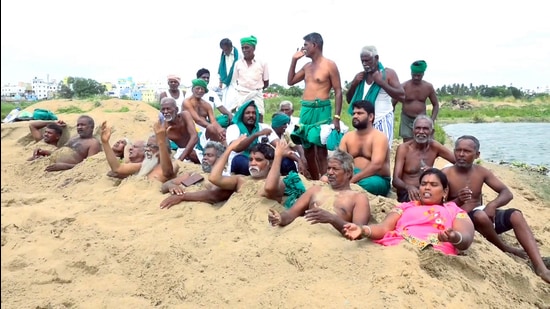
The immediate trigger for the bitterness appears to be developments on the Mekedatu reservoir project, first proposed by Karnataka decades ago to solve the drinking water woes of Bengaluru. Tamil Nadu believes the project — which is planned to come up close to the site where the river enters Tamil Nadu — will adversely affect the flow of water downstream. But the enduring trigger for the dispute every year — irrespective of the party in power in either Bengaluru or Chennai — is the increasingly precarious dependence of either state on the river. This year, the flow has reduced to a trickle due to indifferent rainfall across the Cauvery basin this season. Clearly, against the backdrop of lopsided and haphazard monsoons and the climate crisis wreaking havoc with both the spatial and temporal distribution of rainfall, both states needed to have worked on scientifically sound environmental plans that could augment water requirement for drinking (Bengaluru) or agricultural (Tamil Nadu) purposes.
Instead, neither state appears to have built viable strategies to mitigate the impact of the climate crisis.
{{/usCountry}}Instead, neither state appears to have built viable strategies to mitigate the impact of the climate crisis.
{{/usCountry}}Water tribunal awards aren’t meant for good monsoons. Their efficacy is only visible in a deficient monsoon year, such as 2026 where the long shadow of El Nino continues to stalk rainfall projections. The Cauvery water award first took 27 years of hearing, another six for the government to announce the allocation, and a further five to establish a water management authority. In an era where skews in rainfall change by the week and the climate crisis has rendered previous models useless, such long timelines are impractical. Political brinkmanship has to exit this stage. Instead, both states need to enter the room with renewed dedication to safeguard their poorest constituents from the vagaries of a rapidly changing world.