
 E-Paper



What high turnout in Srinagar polls means
The message in the peaceful polling and high turnout point to a groundswell for representative democracy.

 Prefer HTon Google


The high turnout in Jammu and Kashmir’s Srinagar constituency is significant and carries a message for the Centre. The 36% turnout in J&K’s capital for the Lok Sabha elections is the highest since 1996, when 41% polling was reported: In the 2019 general elections, polling was as low as 14.4%. With similar turnout expected in Anantnag-Rajouri and Baramulla constituencies, scheduled to vote in the coming phases, expectations are that the turnout in the six constituencies of J&K will cross 50%. Significantly, no outfit had called for a poll boycott and no untoward incident was reported from Srinagar on polling day.
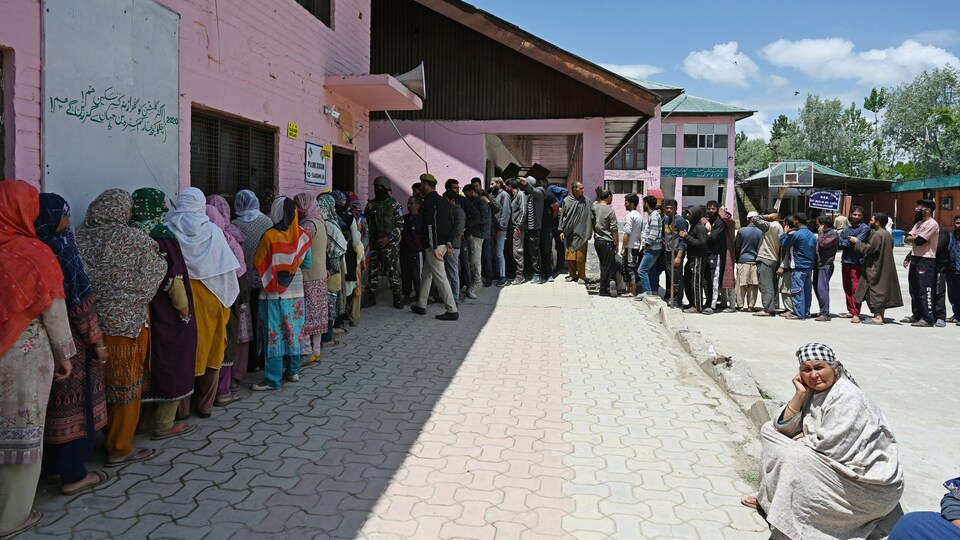
The message in the peaceful polling and high turnout point to a groundswell for representative democracy. J&K has been under central rule since the abrogation of Article 370 in August 2019. Normal political activities were suspended following a large number of arrests of leaders and cadres of various parties. However, elections to the District Development Councils in 2020 saw a revival of politics at the grassroots. The recent statement from Jamaat-e-Islami, an influential voice in electoral politics until the 1990s insurgency, that it would contest polls if the ban on the outfit was lifted — the pro-Pakistan group was proscribed in August 2019 — points to a churn even in the separatist quarter.
The Centre must build on this sentiment for political agency and pursue restoration of statehood for the region and subsequently hold elections to the legislative assembly. A return to politics at the grassroots is likely to be a raucous affair, but that noise is born out of a democratic impulse to engage in public affairs, which is welcome. It is also essential to address bread-and-butter issues and will augment the gains made in sectors such as tourism.


