
 E-Paper



Why Kashmir polls matter
The run-up to polls has been marred by rows. For a stable future, this must be resolved now

 Prefer HTon Google


The run-up to the first assembly election in Jammu and Kashmir in almost a decade has been marred by controversies. First, the revocation of the region’s special status and the detention of political operatives created a rift between the Centre and parties in the Valley. Then, the exercise to redraw the boundaries of electoral constituencies has been dogged by allegations of engineering a demographic shift and increasing the political heft of the Hindu-majority Jammu at the expense of the Muslim-majority Kashmir. And finally this week, the summary update of electoral rolls — a process seen by analysts as the final step before the election commission takes up the process of fixing poll dates — threw up a new row with the proposed addition of 2.5 million names. The reason for the uptick is that after scrapping the region’s special status in 2019, residents — and not just those born in the Union Territory — have become eligible to vote in assembly elections, like they are in the rest of India. The administration clarified that the bulk of the new entrants are first-time voters and those who attained the age of 18 after the last roll revision.
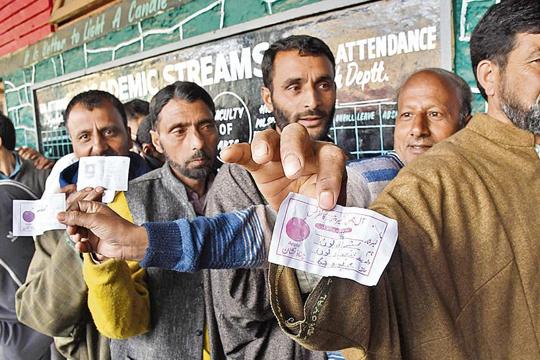
These controversies are unfortunate. The election is building up to be a watershed moment. According to the road map provided by the government in Parliament, it is likely to pave the way for the restoration of statehood — a longstanding demand by local residents and their political representatives. The polls will connect people to the administrative process and create new stakeholders to reverse the trust deficit — critical when targeted attacks have damaged the social fabric. And finally, elections are indispensable to ensure basic services, fulfil public aspirations, and guarantee a better standard of life, all sorely lacking in many pockets of the region.
India’s democratic credentials have always held it in good stead in the face of provocation at international fora on the Kashmir question. That Delhi is able to conduct free and fair polls in the region, give a voice to aspirations, grievances and opinions of all shades, and enforce democratic norms serve as strong rejoinders to its detractors. But for this to continue, trust has to be built and differences bridged. The administration has to not just be fair but be seen as fair, and political parties in the region need to be reasonable and flexible in their conduct and stance. All stakeholders have to come together to ensure that elections are not only successfully conducted but also help move the region towards a more stable, peaceful future.


