
 E-Paper



Leopard, two cubs spotted drinking water in field in Gurugram, farmers panic
Villagers said they had gone to their fields at night when they saw the leopard and her cubs having water from a pit built for field work.

 Prefer HTon Google


Panic spread among residents of the Nuh district after a leopard and her two cubs were spotted in fields near Firozepur Jhirka, 82 kilometres from the city, first on Thursday night and then again the following night.
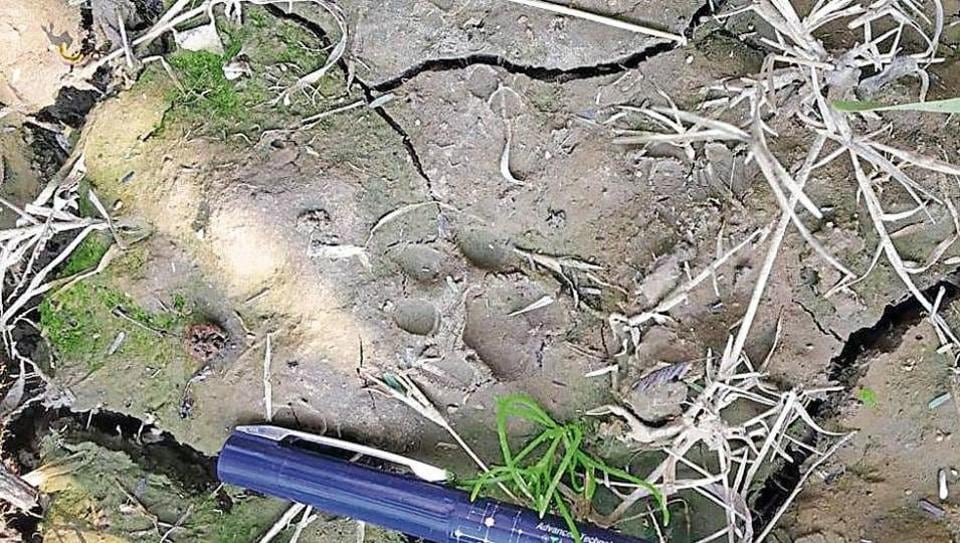
Residents of Maholi, Dhadoli Kalan, Hasanpur Bilonda, Bhond and Sidhrawat, who spotted the animals, informed wildlife officials on Friday. A team which visited the area Saturday morning found fresh pug marks.
Villagers said they had gone to their fields at night when they saw the leopard and her cubs having water from a pit built for field work. Harun, the sarpach of village Maholi, three kilometres from Firozepur Jhirka, said he had gone to water his fields on Friday when he spotted the mother leopard barely 20 metres away from him. “I was so frightened that I could not even breathe or move for a few seconds. The leopard was followed by two cubs. They drank water and left,” he said. He called the wildlife officials and informed them about the leopard.
Another farmer said there was a power cut in the area and electricity returned late at night. He said he went to the fields around 1:45am for watering the plants and plucking a few vegetables for selling at the market the next morning. He told officials he was plucking cauliflowers when he spotted the two leopard cubs. “I hid in the nearby wheat field till early morning. When I heard villagers passing by, I felt safe to come out and return home,” Jan Mahommad, former sarpanch of village Hasanpur Bilonda, said.
Residents alleged that in total, 25 goats and hens have been missing from their villages. However, wildlife officials denied any such attack on domestic animals by a leopard. They said they visited the area on Saturday and found only pug marks but no carcasses in the villages. Sunil Kumar Tanwar, wildlife inspector, said his team met with a number of panic-stricken villagers and assured them of safety.
Villagers said there is a possibility that the big cats were wandering in search of water, although officials said there is enough water in the forest for the coming months. They were of the opinion that since the villages are close to the Aravallis, the natural habitat of the leopards, it might have prompted the animals to cross over.
Vinod Kumar, additional principal chief conservator of forests, said many leopards have been sighted in the area over the last three months. “We have received multiple calls in the last two days from the villagers and we have deployed our teams who are making regular rounds in the area to keep a check on the leopard’s movement. We have found pugmarks at several locations but haven’t encountered any leopards yet,” Kumar said.
He also said that as the animals are moving about in their natural habitat, they cannot rescue and relocate them.
Villagers said memories of a man-animal conflict which took place on November 24, 2016 in Mandawar, where a leopard was beaten to death by a mob after it had strayed into residential areas and had injured 13 residents, were still fresh.
Earlier in August, four leopards were spotted in Pathkori, Bhond, Mandawar and Ferozepur Jhirka villages in Nuh, and wildlife officials had traced about a dozen pug marks of leopards and their cubs in their fields in the foothills of the Aravallis, which are spread across an area of 25 kilometres.
Wildlife officials have asked villagers not to enter the jungle and to ensure they take their cattle for grazing in fields inside the village only. They have also been asked to move in groups at night and to carry torches.


