Sarvshreshth Gupta, 22, who complained to his father of working '100 hour weeks' hours before his body was found in the car park next to his apartment is believed to have killed himself after working through the night to meet deadlines.
Hours before he died, the New Delhi-born US-based analyst at Goldman Sachs told his father, Sunil, "This job is not for me. Too much work and too little time."
What drives people to kill themselves working? Usually, it's job insecurity and ambition, and it is almost always at the expense of health, both physical and mental. Workplace stress greatly increases the risk of dying from heart attack or stroke, reported journal Occupational and Environmental Medicine last week, possibly due to sharp increases in blood pressure caused by long hours combined with an unhealthy lifestyle.
Gupta's death is one of many unexpected deaths or suicides of young bankers in the US over the past year.
The Japanese even have a word for it, "Karojisatsu" which means "suicide from overwork and stressful working conditions". In the late 1980s, Karojisatsu became a social issue in Japan along with "Karoshi", which means "death from overwork" triggered by heart attack, stroke and other diseases aggravated by stress and long working hours.*How stress hurtsUnder stress, the body releases adrenaline, which increases heart rate, blood pressure, muscle tension, and makes breathing rapid and shallow. The hormone cortisol is also released, which in turn stimulates the release of glucose, fatty acids and amino acids that provide fuel for the body. Prolonged or repeated stress - for instance, constantly meeting deadlines - leads to physical, mental and psychosocial problems.*Troubled mind and bodyStress, both physical and mental, leads to almost every problem that can mess up our lives, ranging from headaches and colds to the more debilitating diabetes, heart attacks, depression and impotence.Studies show that as much as genes and smoking, it's stress that determines the quality of your life and how long you live. And more than long working hours, night-shifts or threats of downsizing, it's personal conflicts at the workplace - annoying colleagues and tiresome bosses -- that cause more stress than workloads.*Heart troubleStress is a major cause of high blood pressure in people under 40 years. "Overworked people have little time for themselves and generally have poor eating habits, become inactive and adopt why we are increasingly seeing people in their thirties and forties having heart attacks," says Dr R R Kasliwal, chief cardiologist, Escorts Heart Institute and Research Centre. A scientific review 14 studies in the US showed that 23% of heart disease could potentially be prevented if the stress levels in jobs were reduced to average.
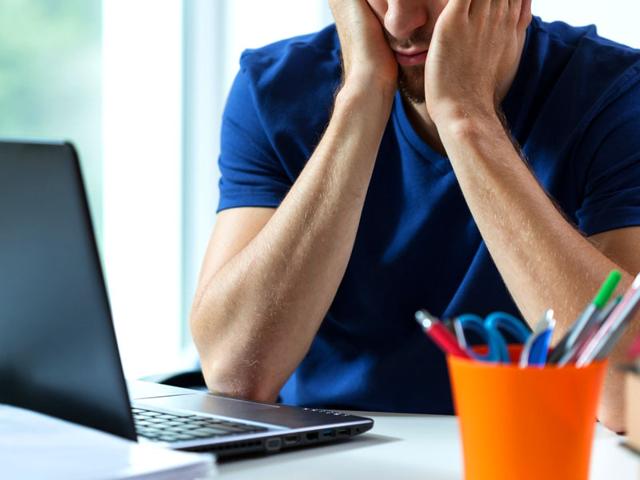
Death from overwork is triggered mostly by heart attack and stroke. (Shutterstock)*Taking stress homeWhat's more, stress is contagious and can affect those around you. Stressed parents carry on-job stress home and pass on their worries to their children, causing them to burn out at school. The effect is most pronounced between fathers and sons, and mothers and daughters, reported researchers from the University of Jyvaskyla, Finland, in the European Journal of Developmental Psychology. Burnout symptoms in children included tiredness, a sense of inadequacy as a student and cynicism about the value of schooling.*Dealing with itWalking away from stress, or at least brooding about worries, is not easy, but the payoffs are worth it. One way to fight stress is by using the relaxation response technique, developed in the 1970s at Harvard Medical School by cardiologist Dr Herbert Benson. To counter the stress response, he proposes achieving a state of profound rest through progressive muscle relaxation, meditation and yoga.*Calming the heart and mindMeditation shows heartbeat and respiration, forcing the body's oxygen consumption to drop along with levels of blood lactate -- lactic acid that appears in the blood when oxygen delivery to the tissues is not enough to support normal metabolism -- linked to panic attacks. A recent study at the University of Chicago showed that a 10-minute meditation session improved the averages of people taking high-stake math exam. It pushed up their scores by five points, because, explained study author Sian Beilock, it helped them focus on the math by freeing their brains from stressful thoughts.*Sleep out stressSleep helps, alcohol doesn't. One sleepless night - whether spent online, reading or working shifts -- can spike stress hormones and make it harder for you to sleep when you actually want to. Alcohol makes your mind feel relaxed but plays havoc with your biological response: blood alcohol levels over 0.1% (one large whisky or vodka) makes your stress hormones work overtime, making you feel tired and listless.
{{/usCountry}}Death from overwork is triggered mostly by heart attack and stroke. (Shutterstock)*Taking stress homeWhat's more, stress is contagious and can affect those around you. Stressed parents carry on-job stress home and pass on their worries to their children, causing them to burn out at school. The effect is most pronounced between fathers and sons, and mothers and daughters, reported researchers from the University of Jyvaskyla, Finland, in the European Journal of Developmental Psychology. Burnout symptoms in children included tiredness, a sense of inadequacy as a student and cynicism about the value of schooling.*Dealing with itWalking away from stress, or at least brooding about worries, is not easy, but the payoffs are worth it. One way to fight stress is by using the relaxation response technique, developed in the 1970s at Harvard Medical School by cardiologist Dr Herbert Benson. To counter the stress response, he proposes achieving a state of profound rest through progressive muscle relaxation, meditation and yoga.*Calming the heart and mindMeditation shows heartbeat and respiration, forcing the body's oxygen consumption to drop along with levels of blood lactate -- lactic acid that appears in the blood when oxygen delivery to the tissues is not enough to support normal metabolism -- linked to panic attacks. A recent study at the University of Chicago showed that a 10-minute meditation session improved the averages of people taking high-stake math exam. It pushed up their scores by five points, because, explained study author Sian Beilock, it helped them focus on the math by freeing their brains from stressful thoughts.*Sleep out stressSleep helps, alcohol doesn't. One sleepless night - whether spent online, reading or working shifts -- can spike stress hormones and make it harder for you to sleep when you actually want to. Alcohol makes your mind feel relaxed but plays havoc with your biological response: blood alcohol levels over 0.1% (one large whisky or vodka) makes your stress hormones work overtime, making you feel tired and listless.
{{/usCountry}}Irregular sleep patterns can increase stress hormones.(Shutterstock)*Spend time with family and friendsWhat works best is hanging out with friends and family - over a cup of herbal tea, not alcohol - as social relationships are an effective buffer against stress. Several studies in the US and Europe have shown that people with fewer family and close friends have shorter life expectancies, with loners experiencing the stress of loneliness equivalent to a lifetime of smoking.*Confront your stressorAnd, corny as this may sound, it helps to confront your fears. The Tamil Nadu government used crayons and yoga to help young tsunami-survivors overcome the terror of the killer wave that wiped their families and homes in 2004. All the images the children drew initially were dark - gloomy skies, flooded villages, uprooted trees, dead people and animals - but at the end of three weeks, the sun started shining. And the children were back to playing cricket on the beach.*Take charge of your lifeThere's a strong statistical association between how much in control of your life you feel and your health. Feeling you are not in control can make you chronically stressed and put you at risk of disease. "In a nutshell, it's knowing when to stop and take a break," says Dr Kasliwal.
Catch your daily dose of Fashion, Taylor Swift, Health, Festivals, Travel, Relationship, Recipe and all the other Latest Lifestyle News on Hindustan Times Website and APPs.
Catch your daily dose of Fashion, Taylor Swift, Health, Festivals, Travel, Relationship, Recipe and all the other Latest Lifestyle News on Hindustan Times Website and APPs.