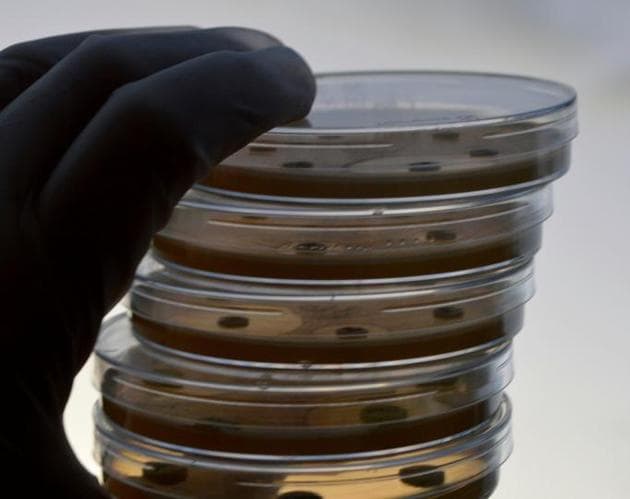
After a 70-year-old American woman died of the superbug NDM-1 (New Delhi Metallo-beta-lactamase-1) in November last year, health officials recently revealed that her infection was resistant to all the available antibiotics, raising major concerns in the health community.
Here’s all you need to know about the superbug, the infection it causes, where it’s found and its effects:
NDM-1 (New Delhi Metallo-beta-lactamase-1) is an enzyme that makes bacteria resistant to a wide range of powerful antibiotics, including the carbapenem class of antibiotics that are used to treat multidrug-resistant infections.
The gene for NDM-1 encodes beta-lactamase enzymes called carbapenemases, which makes bacteria resistant to antibiotics, including carbapenem, which is used to treat other superbugs such as methicillin-resistant Staphyloccus aureus (MRSA).
Bacteria that produce carbapenemases are popularly referred to as superbugs because they are difficult to treat and result in the infection spreading easily within the body, especially in people who are ill or recuperating from an illness or a surgery.
People die of septic shock after the infection enters the bloodstream and reached the heart, lungs, kidneys, bones or joints to cause multi-organ failure.
{{/usCountry}}People die of septic shock after the infection enters the bloodstream and reached the heart, lungs, kidneys, bones or joints to cause multi-organ failure.
{{/usCountry}}The enzyme that makes bacteria drug resistant got New Delhi in its name because it was first detected in 2008 in Swedish patient of Indian origin who had travelled to India.
NDM-1 has been detected in bacteria in the UK, US, India, Pakistan, Croatia, Canada and Japan.
The first death was recorded in Belgium, where a man who was treated in a hospital in Pakistan died in August 2010.
The most common bacteria that make this enzyme are E. Coli and K. pneumoniae, but the NDM-1 gene can spread to other bacterial strains.
Catch your daily dose of Fashion, Taylor Swift, Health, Festivals, Travel, Relationship, Recipe and all the other Latest Lifestyle News on Hindustan Times Website and APPs.
Catch your daily dose of Fashion, Taylor Swift, Health, Festivals, Travel, Relationship, Recipe and all the other Latest Lifestyle News on Hindustan Times Website and APPs.