THE AUTUMN equinox, which falls this year on September 23rd, is a glum milestone, at least for people in the northern hemisphere. The days are shortening and the nights lengthening; around the equinox they cross over, and the winter gloom begins in earnest.
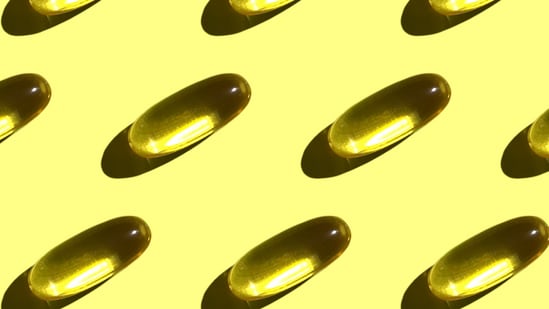
One group that might welcome the shorter days is the supplement industry. Sunlight—specifically, the chemical reactions caused by ultraviolet radiation falling on bare skin—is necessary to make vitamin D, a compound vital for health. As the sunlight
THE AUTUMN equinox, which falls this year on September 23rd, is a glum milestone, at least for people in the northern hemisphere. The days are shortening and the nights lengthening; around the equinox they cross over, and the winter gloom begins in earnest.
One group that might welcome the shorter days is the supplement industry. Sunlight—specifically, the chemical reactions caused by ultraviolet radiation falling on bare skin—is necessary to make vitamin D, a compound vital for health. As the sunlight fades, interest in vitamin D supplements—as measured by searches on Google—rises.
In fact, vitamin D is one of the most popular supplements on the market. One paper published in 2017 reported that 18% of Americans took large doses of supplementary vitamin D in 2013-14, up from 0.3% in 1999-2000. More than 10m blood tests are performed to measure levels of the stuff each year. In Britain and Iceland supplements come with the government’s stamp of approval.
So, should you take any? Vitamin D is a rare case of a supplement with a lot of good medical theory behind it. Doctors have known for a century that vitamin D is necessary for health: lack of it causes rickets, a disease in which the bones soften and deform. But research had suggested it might have other powers, too. Scientists have found vitamin-D receptors everywhere in the body, from the intestines and the kidneys to the brain and muscles. A series of influential studies in the 1980s found that deaths in America from several kinds of cancer were significantly more common in northern states than sunny southern ones, and proposed vitamin D as the explanation. Others thought a shortage of the stuff might explain why colds surge in winter. And animal studies suggested that vitamin D could indeed inhibit the growth of cancer cells.
So when human trials began, hopes were high. But despite what the theory said, practice had other ideas. Three big trials of vitamin-D supplementation—the VITAL study in America, the D-Health trial in Australia and the ViDA study in New Zealand—followed tens of thousands of people over several years. None found any detectable benefits.
A summary editorial, published in 2022 in the New England Journal of Medicine, noted that vitamin D seemed to have no effect on cancer risk or heart health, another hoped-for benefit. It did not prevent falls, boost the brain or stave off the sniffles. Researchers found no beneficial effects even in people considered mildly deficient. Despite the link to rickets, the supplements also failed to reduce the risk of bone fractures.
The failure is a useful reminder that, despite centuries of research, the human body is sufficiently complicated that medics can at best make only educated guesses about exactly what a new drug or supplement will do to those who take it. Sometimes those guesses are wrong. There is still no substitute for just giving the drug in question to a lot of people and looking carefully at what happens.
These days, the conclusion is that a minimum amount of vitamin D is necessary, but that taking more is unlikely to do much good. If you live a long way north or south of the equator, if you have dark skin, if you spend most of your days indoors and if you don’t get much vitamin D from your diet (fish, eggs and red meat all contain at least some), then supplements might be a good idea, at least in winter. For everyone else, it is probably better to save your money.
One Subscription.
Get 360° coverage—from daily headlines
to 100 year archives.
Archives
HT App & Website
Catch your daily dose of Fashion, Health, Festivals, Travel, Relationship, Recipe and all the other Latest Lifestyle News on Hindustan Times Website and APPs.
Catch your daily dose of Fashion, Health, Festivals, Travel, Relationship, Recipe and all the other Latest Lifestyle News on Hindustan Times Website and APPs.