
 E-Paper



Should women sync their lifestyle to their menstrual cycle?
What works for one woman may not suit another


 Prefer HTon Google


ALL ELITE athletes face similar challenges. Juggling a busy training schedule with a personal life, for example, or constantly tracking calories and hydration levels. Female athletes have an extra data set to track: their menstrual cycles. In a study of female athletes published in PLOS ONE in 2016, over half of those classified as elite reported that their cycles affected their performance.
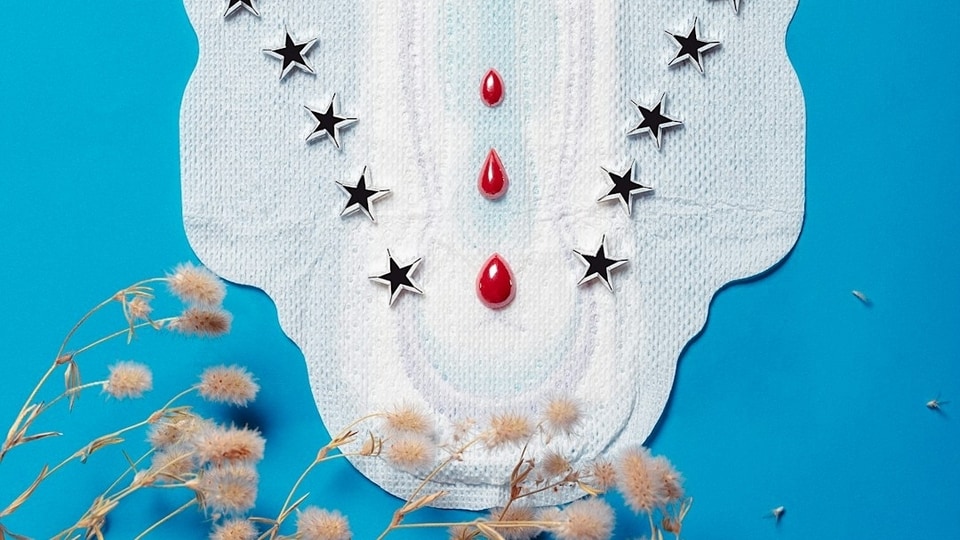
In the absence of clear health guidance, then, it is small wonder that influencers on TikTok have begun offering advice. “Cycle-syncing”, the practice of scheduling everything from workouts to diet around a person’s menstrual cycle, is now ubiquitous. But does it work?
A typical menstrual cycle has two fixed landmarks. One is ovulation, when an egg cell is released from an ovary. The other is the period, when the absence of a fertilised egg causes the uterine lining to shed. The body’s preparation for these events involves significant hormonal swings. Levels of oestrogen, a reproductive hormone, peak around ovulation, while levels of progesterone, another hormone, peak thereafter. Levels of both fall sharply before the period.
The rest of the (typically month-long) cycle is less well-defined. That has not stopped cycle-syncers from embracing a neat division into four distinct phases: menstrual (when bleeding occurs), follicular (when egg-containing follicles grow in the ovary), ovulatory (when an egg is released) and luteal (when empty follicles decay). Advocates claim that energy levels are lowest in the menstrual phase due to low hormone levels and blood loss, before steadily climbing in the follicular phase. Progesterone has been linked to slower digestion and bloating, symptoms which make the luteal phase uncomfortable. The hormonal crash as this phase ends often brings other unwelcome side effects such as headaches, abdominal cramps and depression.
Advocates for cycle-syncing suggest tailoring activity and diet to these different phases. Workouts should be gentler and iron-rich foods should be prioritised during the menstrual phase, for example. In the follicular phase, the advice is to focus on creative tasks and build up training intensity until ovulation. In the tougher luteal phase, some recommend swapping runs and weight training for yoga and eating less sugary foods which can make premenstrual cramps worse.
The structure that cycle-syncing offers is appealing, but scientists warn that it rests on shaky ground. “There haven’t been rigorous randomised studies,” says Liisa Hantsoo, a women’s-health researcher at Johns Hopkins University in Baltimore, “so a lot of it is anecdotal”.
Anecdote can be particularly unhelpful because two women may have cycles of wildly differing lengths. They might experience symptoms that differ in their nature and severity. Follicular phases, for example, can last anywhere from seven to 21 days. Even a woman’s own cycle is likely to shorten as she ages, or if she switches contraceptive methods.
For those whose daily lives are affected by their cycles, resting when particularly tired is probably wise. But in general, says Dr Hantsoo, “There are no hard and fast rules.” The most sensible advice is to remember that what works for one woman will not necessarily work for another. Tracking one’s own symptoms to find out what works may yield the best results.
Catch your daily dose of Fashion, Health, Festivals, Travel, Relationship, Recipe and all the other Latest Lifestyle News on Hindustan Times Website and APPs.


