When a natural disaster strikes, the immediate human response is often centred on evacuation, shelter and medical aid. Yet wildlife caught in the same crisis faces a different and often overlooked battle. Injuries, habitat destruction, displacement and limited access to specialised care can turn a momentary disaster into a prolonged struggle for survival. As climate-related emergencies and human-wildlife conflicts become increasingly frequent, the need for a stronger wildlife health care system is becoming as important as the rescue itself.
Wildlife rescue has traditionally been understood as the act of saving an animal from immediate danger. But modern conservation increasingly demands something more comprehensive. Rescue is only the first step. An injured animal may require surgery, wound management, nutritional support, rehabilitation and months of specialised monitoring before it can safely return to the wild. This makes access to appropriate veterinary infrastructure a critical component of conservation.
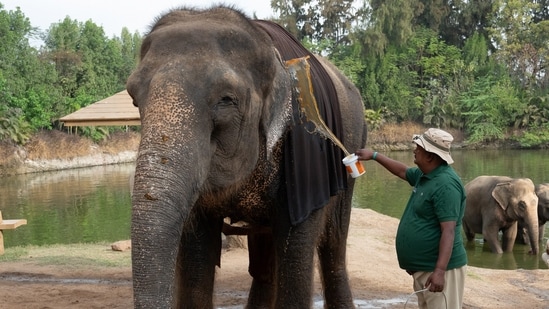
The case of Joymoti, a 53-year-old elephant rescued after being swept away by floods in Nagaland, illustrates this challenge. After surviving the disaster, she was left with multiple serious injuries, including extensive wounds and severe damage to her right eye. She also had a longstanding mobility problem caused by a fracture sustained during logging. Her condition demonstrated how an animal can survive an emergency yet remain vulnerable without sustained medical intervention.
Vantara has emerged as an example of how specialised institutions can provide advanced veterinary care to animals requiring complex treatment.
{{/usCountry}}Vantara has emerged as an example of how specialised institutions can provide advanced veterinary care to animals requiring complex treatment.
{{/usCountry}}Joymoti’s transfer to Vantara also demonstrates how innovation can transform wildlife rescue operations. Instead of undertaking a long and physically demanding journey by road, she was transported by air to reduce travel time and physical stress.
The decision to airlift an elephant is not simply a logistical achievement. It reflects a broader shift in thinking about animal welfare. Every stage of such a transfer requires careful planning, from assessing the animal’s condition before departure to handling, loading, monitoring during the flight and ensuring a safe arrival. For an animal already weakened by injuries, reducing unnecessary movement and travel time can be crucial.
Such interventions also highlight an important distinction between treating wildlife and treating domestic animals. Wild animals have different physiological, behavioural and environmental requirements. Elephants, for instance, are large, socially complex animals whose mobility, nutrition and psychological well-being must all be considered during treatment. Wildlife medicine therefore requires specialised knowledge, infrastructure and equipment rather than simply adapting conventional veterinary practices.
However, advanced facilities cannot be concentrated in only a few locations. If an injured animal has to travel hundreds or thousands of kilometres before receiving appropriate treatment, the journey itself can become an additional burden. This is particularly significant during floods, forest fires, human-wildlife conflicts and other emergencies when time can determine whether an animal survives.
Strengthening local veterinary capacity can therefore become one of the most important investments in wildlife conservation. The proposal for wildlife veterinary care centres in Assam, including a dedicated elephant facility, points towards a more decentralised model. Such centres could allow animals to receive species-specific treatment closer to their habitats, while also strengthening the ability of local authorities to respond quickly during emergencies.
This approach would also benefit communities living alongside wildlife. Human-wildlife conflict often becomes more difficult to manage when injured animals cannot receive timely treatment. A stronger local response system can enable forest departments, veterinarians, conservation organisations and communities to coordinate more effectively, potentially reducing suffering for both animals and people.
The involvement of local communities in Joymoti’s rescue is equally significant. Wildlife conservation cannot depend exclusively on specialised institutions. People living close to forests and wildlife habitats are often the first to encounter animals in distress. Their awareness, willingness to help and ability to coordinate with authorities can make an enormous difference during emergencies. Building stronger connections between communities and formal wildlife-response systems can therefore create a more effective conservation network.
There is also a larger environmental lesson in Joymoti’s story. Her rescue was triggered by flooding, while her earlier injury was linked to logging. Together, these circumstances illustrate the multiple pressures facing wildlife today. Animals can be affected simultaneously by extreme weather, habitat disruption and human activity. Conservation strategies must consequently move beyond protecting animals from individual threats and towards creating resilient ecosystems and response mechanisms.
Most importantly, successful wildlife care should not be measured solely by survival. The objective should be to restore an animal to the best possible health and quality of life, and, wherever appropriate, return it to its natural habitat. Joymoti’s treatment is therefore not about permanently relocating her but about giving her the specialised care necessary to recover and eventually return home.
Her journey represents a broader idea: Saving wildlife requires more than reaching an animal in its moment of crisis. It requires medical expertise, technology, infrastructure, trained personnel, community participation and long-term commitment. As environmental emergencies become more complex, developing these capabilities will be essential to ensuring that rescue becomes the beginning of recovery, rather than the end of the response.
This article is authored by Vandana Kumari, author and columnist on environment, sustainability and ecology.