The National Family Health Survey (NFHS-6) released this year shows 29.3% of children under five are stunted and 31.8% are underweight, even as diet-related lifestyle diseases such as diabetes and hypertension are on the rise. Experts have coined this phenomenon the “triple burden of malnutrition,” a simultaneous prevalence of undernutrition, micronutrient deficiencies, and overnutrition.
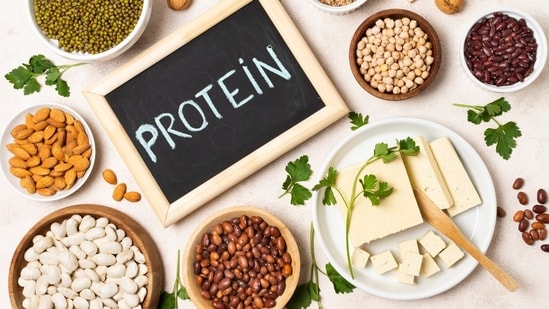
In large part, this challenge can be attributed to our current food production and consumption habits that keep carbohydrates centre-of-plate, while protein quality, dietary diversity, and micronutrients more than often, take a back seat. Following the Green Revolution, India’s strategy to achieve food security–appropriate given the challenges of that time–led the government to favour procurement policies and nutrition schemes for calorie-dense staple cereals like rice and wheat, including in programmes such as the Public Distribution System (PDS) and PM-POSHAN.
India is also eating a lot differently than it did 20 years ago. National Sample Survey data from 2022-23 shows that biscuits, chips, packaged snacks and ready-to-cook foods have become fixtures in Indian kitchens, across urban and rural households alike. In 2011–12, nearly 70% of Indian households consumed biscuits and chocolates monthly. By 2022–23, that figure had climbed to nearly 87%. Packaged foods are convenient, affordable, and widely available. For busy two-income households navigating rising food prices, these advantages are difficult to ignore.
In an effort to shift gears towards nutrition security on the road to a Viksit Bharat by 2047, protein has come to the fore as a national talking point. From supermarket shelves to social media, the same biscuits and chips are now being fortified and marketed as protein-rich. This growing awareness, while positive, is largely confined to urban and online discourse. The lack of access to affordable, diverse, and high-quality protein continues to be a fundamental reality for most Indians. While Indians consume an average of 55.6 grams of protein a day, meeting the National Institute of Nutrition’s (NIN) recommended intake levels, nearly half of this total comes from cereals, which have incomplete amino acid profiles. This gap is evident in mid-day meals and take-home rations, which deliver sufficient quantities of protein but can often fall short of quality norms listed by the 2023 amendment to the National Food Security Act (NFSA).
{{/usCountry}}In an effort to shift gears towards nutrition security on the road to a Viksit Bharat by 2047, protein has come to the fore as a national talking point. From supermarket shelves to social media, the same biscuits and chips are now being fortified and marketed as protein-rich. This growing awareness, while positive, is largely confined to urban and online discourse. The lack of access to affordable, diverse, and high-quality protein continues to be a fundamental reality for most Indians. While Indians consume an average of 55.6 grams of protein a day, meeting the National Institute of Nutrition’s (NIN) recommended intake levels, nearly half of this total comes from cereals, which have incomplete amino acid profiles. This gap is evident in mid-day meals and take-home rations, which deliver sufficient quantities of protein but can often fall short of quality norms listed by the 2023 amendment to the National Food Security Act (NFSA).
{{/usCountry}}In other words, the amount of protein we eat tells us only part of the story. What matters just as much is its quality and bioavailability: Whether it contains the essential amino acids our bodies need and how effectively we can digest, absorb and utilise them.
Animal proteins such as conventional meat and eggs can provide high-quality protein, but their inclusion in individual diets as well as public feeding schemes is often guided by cultural preferences, costs, supply chain constraints, and cold-chain requirements. At the same time, expanding conventional animal protein production carries a host of challenges for climate and public health.
On the other hand, besides being far less resource intensive and more sustainable, research shows that plant-based meat and eggs currently in the Indian market can match or outperform their conventional counterparts on protein content. CSIR-IHBT and GFI India’s most recent technical analysis has found that plant-based protein patties and kebabs have a greater proportion of amino acids that become bioavailable than in the corresponding animal-derived products. Processing methods such as roasting, pressure cooking, sprouting, and fermenting also influence protein quality, solubility and bioavailability, with outcomes varying by ingredient and method. These findings underscore why nutritional quality must be assessed more holistically than protein content alone.
In light of this, there is an immense opportunity to diversify our protein sources, leveraging plant-based smart proteins. While Indians already widely consume plant proteins in the form of dal or soya chunks/granules, innovations in food technology allow us to do much more with these familiar ingredients. Processed plant proteins can deliver protein in higher quantities and more bioavailable forms than unprocessed pulses, for example. Processing can concentrate protein into functional and adaptable ingredients such as concentrates and isolates, which typically contain around 90% protein.
To produce cost-effective, shelf-stable, and micronutrient-fortified plant protein products, India has a considerable advantage vis-à-vis ingredients: From chana and moong to lesser-known crops such as horse gram or winged bean, we grow a large variety of protein-rich crops. Yet, despite being the world’s largest producer of pulses, India continues to import 90% of its plant protein isolates, which are typically sourced from a handful of crops like soy and pea.
As was done with millets, imagine if more of India's indigenous pulses could be turned into affordable, high-quality protein ingredients. Following years of policy support and renewed attention during the International Year of Millets in 2023, these indigenous crops found their way into pasta, biscuits, breakfast products and other convenient formats. A similar opportunity now exists for pulses, particularly with renewed emphasis through the Mission for Atmanirbharta in Pulses.
If supply chains are localised and built out sustainably, plant-based proteins can address protein inadequacy and poor dietary quality at scale. The way forward should be a coordinated, evidence-led pathway using local crops and processing to make their way into anganwadis, school meals, and household kitchens. Smart proteins could serve as a strategically vital policy lever for India’s unique nutritional needs and also contribute to our broader goals on climate, health, and economic development.
(The views expressed are personal)
This article is authored by Sneha Singh, MD, Good Food Institute (GFI) India.