
 E-Paper



Diabetes at work: When disclosure feels like a career risk
It is no secret that India has one of the largest diabetic populations in the world.

 Prefer HTon Google


It is no secret that India has one of the largest diabetic populations in the world. Every year, on November 14, which is World Diabetes Day, there are discussions on diabetes everywhere.
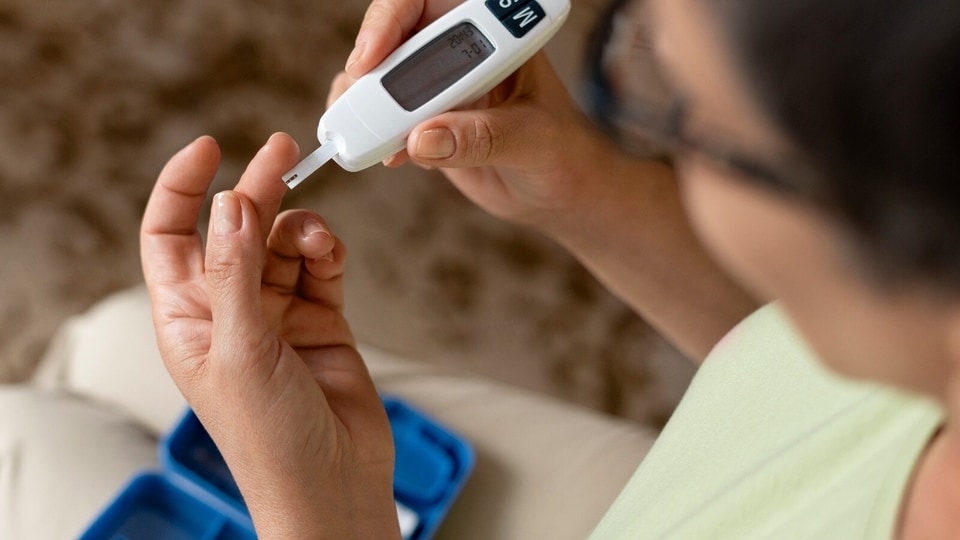
However, what is rarely (if ever) discussed is that for an employee with diabetes, it involves a second, invisible job - managing other people’s perceptions. If someone has diabetes and needs to check their blood glucose prior to every meal, they would most often do it behind a locked door. Or may need to skip a meal and experience sweating, confusion and tremors – the classical signs of low blood sugar or hypoglycemia and yet continue working in order to not seem less committed.
This year, we must confront what happens between diagnosis and disclosure. The ICMR–INDIAB study, published in 2023, estimated that 101 million Indian adult (10.1 crore) had diabetes in 2021. These are people across families, communities and workplaces, not a small cohort. Yet familiarity does not necessarily produce understanding. From the stated “You must have eaten too much sugar when you were younger”, “Will you be able to handle work travel?”, to hushed managerial discussions on “Perhaps we should give the promotion to someone healthier?” these remarks turn a medical condition into a character assessment, often culminating in a diabetic employee reaching a career ceiling way too early.
The evidence is there. A 2024 international consensus statement reported that approximately four in five adults with diabetes experienced stigma and one in five experienced discrimination. These global figures remain consistent across countries and industries and expose the scale of a problem that is overlooked or dismissed.
Calling diabetes simply a lifestyle disease actually reinforces blame. Type 2 diabetes has a genetic component of susceptibility that determines who gets diabetes just as much as behavioural and environmental influences do. Further individual, familial or societal circumstances shape how people eat, exercise and access care pathways. Of course, prevention matters, but a diagnosis of diabetes should not be a measure of anyone’s discipline, intelligence or professional utility.
Unfortunately, for diabetics, silence becomes a protective strategy. An employee may fear that confidential information will become pantry gossip, or that disclosure will quietly remove them from consideration for career progression, outstation/overseas assignments or demanding projects. But this same silence has health costs: Stigma can discourage glucose monitoring, insulin administration and other essential care. When treatment becomes embarrassing it creates an obstacle to health.
Women’s experiences deserve particular attention. Consider an employee managing diabetes alongside her domestic and caregiver responsibilities. A 2024 survey found that female participants spending over four to five hours on domestic duties. This is in addition to professional duties. Now think of a diabetic female employee – how does she find time to care for her condition? Should she deprioritise her own health or should the workplace be friendly to her needs? Flexible work patterns, regular breaks should be available for her. For a diabetic employee, these should never be interpreted as having lesser ambition. Nor should women face intrusive speculation about pregnancy or their ability to take on higher work responsibility.
Employers will need to walk the talk by translating awareness into everyday practice, making support available while ensuring protection of medical confidentiality, weed out discrimination in recruitment and promotion, train and empower managers to challenge loose talk and provide meal, medication and glucose monitoring breaks. A clean, private space must be made available for diabetic employees so that care does not have to be taken in hiding.
Enabling access to clinic visits, affordable outpatient care and access to medicines through benefits or referral partnerships is important. Establishing supportive procedures and training first aiders to respond can help in emergency situations. If safety concerns arise, individual, job-specific clinical assessments can be enabled. A diagnosis alone does not establish fitness for work. A wellness webinar means little when a supervisor refuses a necessary break. HR teams should ask employees privately what would help, then check whether that support is made available.
On November 14, the most revealing workplace question is simple: Can someone say they have diabetes without wondering whether they have just limited their future?
(The views expressed are personal)
This article is authored by Dr Vikram Vora, medical director, International SOS.


