
 E-Paper



Playing with health - How sports endorsements normalise harmful foods
This article is authored by Abantika Ghosh, health care lead, Chase India.

 Prefer HTon Google


In sports, HFSS is the tobacco of our times but even “healthy” options are problematic. Many products marketed as healthier alternatives have high salt or sugar content; salt intake of Indians is way above WHO recommendation.
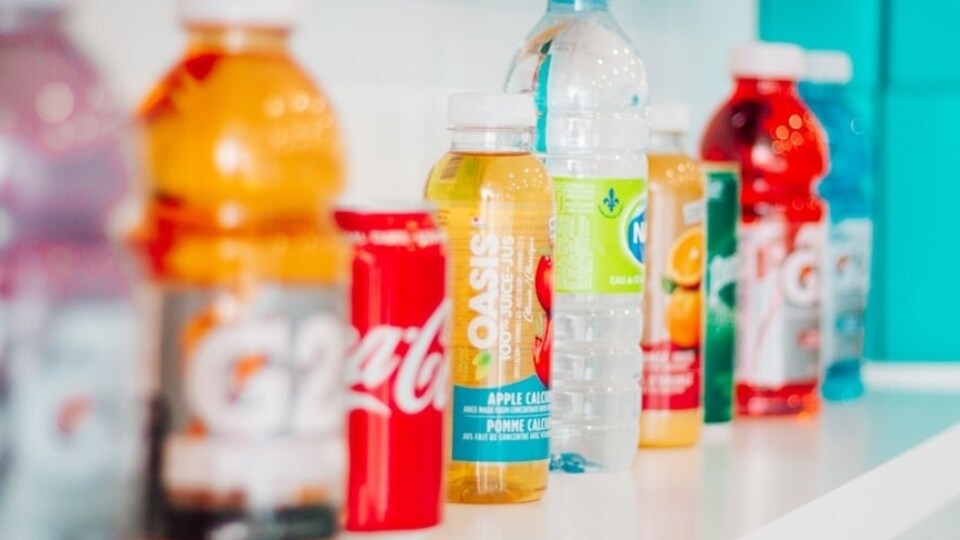
A recent analysis by the Indian Council of Medical Research has found that 81% of products advertised on OTT platforms during the recent ICC men’s cricket World Cup were of unhealthy items including tobacco and High Fat Sugar and Salt (HFSS) containing edibles.
While the association of tobacco and cricket is old and almost uninterrupted - even when the sun set on the Wills and Benson and Hedges Trophies the surrogate ads particularly of chewing tobacco products continued - HFSS is the smoking tobacco of our times. But, unlike cigarettes, so ubiquitous are salt, sugar and fat that an analysis of all edible items advertised during any big ticket sports event may very likely reveal that all of them are HFSS.
Even the apparently healthier options can have high content of one of these three elements - for example 100 ml of buttermilk (chaas) contains a quarter of the recommended daily allowance of salt, a packet of millet cookies can contain a quarter of the RDA of carbohydrates (sugars) and almost a third of fat. Many HFSS items are also endorsed by sports stars with none of the criticism that tobacco endorsements once generated. One serving of a famous “health drink” endorsed by at least two World Cup winning cricket captains of India has 30% of the recommended daily carbohydrate intake.
This is not the first time that ICMR has sounded a warning on HFSS foods. Earlier this year a consortium comprising among others the Indian Council of Medical Research-National Institute of Nutrition, Public Health Foundation of India and UNICEF, had called for stricter regulations on advertisements for HFSS foods, citing grave implications for a country that is fighting a dual battle against obesity and malnutrition and a forecast that by 2030, there could be 27 million obese children in the country.
It has been a few years since the World Health Organization called for more robust guidelines to protect people particularly children from the harmful effects of HFSS foods and also non-alcoholic beverages. But India’s pattern of consumption of salt in particular is different from global trends. Unlike the world over, it is not just packaged processed food items such as sausages and cheese that contribute to excess salt intake. The biggest culprits in Indian households are items such as pickles and papad whose presence on our plates is so pervasive that they are almost invisible.
In ready to eat foods, the salt content is usually high to prolong shelf life and also to cater to the Indian palate that is used to more salt in even home cooked meals. Any instant noodles fan would know that the taste of a particularly popular brand changed forever when it finally stopped using monosodium glutamate (MSG), a compound that is known to impart a certain saltiness to food items.
It is little surprise that the average Indian consumes anything between 8-11 grams of salt per day against a WHO recommendation of 5 grams per day. Nutritionists say the perception that pink salt is “healthier” has no scientific basis and the same risks and precautions apply to it as for the regular variety. India has committed to a 30% reduction in population level salt intake and that deadline is now.
But cricket is not alone in its proclivity towards sponsorships by companies whose products have serious health implications. No sport is immune to the invasion of HFSS products, including the biggest of them all - Olympics. One of the longest standing partners of that four-yearly sports extravaganza is a soft drinks company. While years of activism, a strong perception of association with cancer and awareness about the risks of passive smoking have created a critical load of public opinion against cigarettes, outrage against its smokeless forms is more muted while that against HFSS food items virtually non existent except among a handful of medical and public health activists who have been demanding front of package labelling for years to make people more aware about the composition of popular snacks and ready to eat foods. Currently the nutritional information appears at the back of the pack, often in fonts that are illegible unless viewed through a magnifying glass.
A few years ago when a Chinese company was among the sponsors of the men’s cricket that partnership died a natural death following the deterioration in India-China ties. However health hazards clearly do not seem to agitate sports viewers as much nationalism does. So much so that even after the health ministry reached out to the BCCI last year asking for smokeless and surrogate tobacco ads to be taken off cricket stadia the commercials have continued. Neither did it put a stop to some of the biggest stars of Bollywood promoting gutkha in between overs.
On HFSS policy interventions right now are limited only to building public awareness about reducing salt sugar and fat, the highest level of advocacy coming from prime minister Narendra Modi when he urged in his kicked off an anti-obesity drive earlier this year with a “reduced oil” challenge. There have also been multiple campaigns from the ministry on health on this issue but without any move to either choke the marketing avenues currently being exploited by these products or to disincentivise their sale.
That recalibration in approach is now overdue.
This article is authored by Abantika Ghosh, health care lead, Chase India.


