
 E-Paper



With diabetes, waiting to feel unwell can mean waiting too long
Pain is one of the body’s oldest alarm systems, but type 2 diabetes rarely sets it off.

 Prefer HTon Google


Pain is one of the body’s oldest alarm systems, but type 2 diabetes rarely sets it off. It can develop for years without obvious symptoms, quietly damaging the blood vessels and nerves that serve the heart, kidneys, eyes and feet. By the time people notice something is wrong and seek help, some of that damage may already be done. An estimated 38.6 million Indian adults have diabetes without knowing it. India has made checks free and widely available to reach this group but persuading the people most at risk that they need a check in the first place is proving much harder.
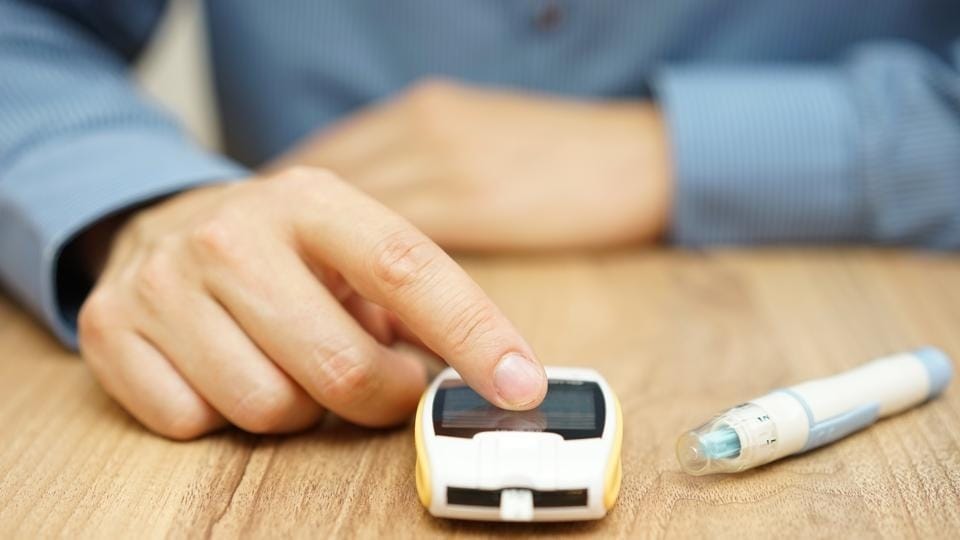
A new survey by the International Diabetes Federation highlights how people at high risk of diabetes think they don’t need a check up. Among Indian adults with known risk factors for type 2 diabetes who had never been diagnosed, 84% agreed that a diabetes check is worthwhile. Yet only 14% thought they were likely to develop the condition, and 75% believed that prediabetes usually causes noticeable symptoms.
As I have seen from my years of diagnosing and treating diabetes, waiting to feel unwell often means waiting too long. Those lost years matter. India has more adults living with undiagnosed diabetes than any country except China. The longer diabetes goes undetected, the more likely serious complications become, and they are costly to treat. India spent $9.8 billion on diabetes-related health care in 2024, much of it on serious complications from diabetes. A diagnosis opens the door to treatment that can keep people healthy for many years and reduces the pressure on over-stretched health systems.
Catching the condition before it has a chance to develop is even better still. The national ICMR-INDIAB study estimates that 15.3% of Indian adults have prediabetes, a critical stage when changes to diet and physical activity can often prevent or delay type 2 diabetes altogether.
The task ahead is clear. The World Health Organization has set a global target for 80% of people with diabetes to be diagnosed by 2030. In India today, 57% are. Applied to India, closing that gap would mean roughly 13,700 more diagnoses every day until the end of 2030. India has already laid the groundwork. Through its Ayushman Arogya Mandirs, a free check is within reach of every adult over 30, and the health ministry reports more than 420 million screenings have been carried out to date. This represents huge progress, but a check will only help those people who come forward for it.
The International Diabetes Federation survey also indicates why people might struggle to organise a check. Nearly half said they would not feel confident arranging a check themselves, the highest of any country in the study. Fear of what the results might show was the most common barrier. More than one in five said getting an appointment would be hard, and some mentioned that they felt too embarrassed to raise the subject with a doctor.
The first task is to challenge the belief that diabetes announces itself. Half of those surveyed said they would welcome community awareness campaigns explaining the risks, and those campaigns should make one message plain: Type 2 diabetes often has no symptoms, and anyone with risk factors should get checked. The practical hurdles can be lowered too. Clear public information on who should get checked, where to go and that the check is free would give people the confidence to take this important first step. Doctors and community health workers, the voices people already trust, are well placed to ease fear and embarrassment. And walk-in checks at pharmacies, appointments in the evenings and at weekends, and information provided in people’s own languages will make checks easier to fit into everyday life.
This World Diabetes Day, I urge policymakers to match the existing investment in screening with a sustained public campaign that makes getting checked feel easy and ordinary. India has built the doorway. Now people need to know it is open to them. But no campaign can take the final step for us. If you have risk factors, such as a family history of diabetes or are overweight, don’t wait for your body to raise the alarm, because with type 2 diabetes it rarely will. A simple check will tell you for certain and can protect many healthy years ahead.
(The views expressed are personal)
This article is authored by Dr Banshi Saboo, Chair, International Diabetes Federation South-East Asia Region; Chair and chief diabetologist, Dia Care, Ahmedabad and founder, Diabetes Care India.


