Dia Mirza Rekhi is in the 25th year of her career, and currently, she is on a roll. The actor appeared in films Alpha and Ikka last month, and recently, she was seen in the series Operation Safed Sagar. Apart from her on screen work, the actor is known to be vocal about social issues, and this year itself, she has had two instances where she has been criticised for her opinions, be it her relating climate change to patriarchy or her talking about her son’s outlook towards climate change.
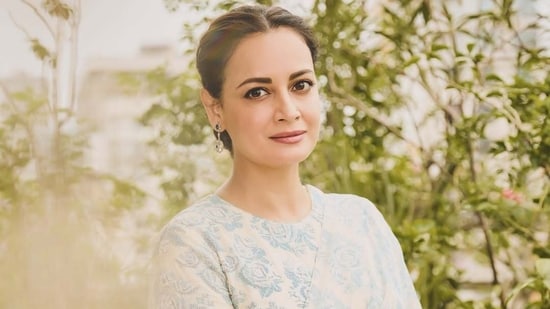
Ask her if the backlash on her opinions deter her ever, and Dia Mirza Rekhi says, “When I hear somebody speak or I read a news item, I always ask myself what is the intention behind this? And if the intention is good, and it comes from a good place, it is to inform, educate, help and show care, then it’s not something that offends me or should offend anyone. But I think most people have stopped doing that. It's so important to examine why, what is the intent of what is being said and then perhaps decide whether you want to be offended by it or not.”
She adds, “I know now that when I speak up and everything that I have stood for or have said, has come from a place of care, and it doesn't come from a place of anger and hate. So, I don't feel uncomfortable when some of the times where there has been an opposition or a backlash or criticism. I'm actually curious to understand if there is a criticism, why is it directed at me, where is this coming from and what is the origin of it? Is it sponsored or genuine? I've had instances where all kinds of things have been said about me, and all kinds of lies have been spread and a lot of it has been sponsored. So, it's always important to understand where this is coming from and why.”
The actor acknowledges that women get judged more when they speak up as compared to their male counterparts when they speak on the same issues. “It's interesting to see how people get offended when a woman speaks about something and it's not always true when men speak up. But it's also because perhaps in the entertainment industry, women are not often expected to or are allowed to be vocal. Its deep patriarchal conditioning, and the way people receive it, respond to it also kind of comes from that conditioning even within the industry.”
{{/usCountry}}The actor acknowledges that women get judged more when they speak up as compared to their male counterparts when they speak on the same issues. “It's interesting to see how people get offended when a woman speaks about something and it's not always true when men speak up. But it's also because perhaps in the entertainment industry, women are not often expected to or are allowed to be vocal. Its deep patriarchal conditioning, and the way people receive it, respond to it also kind of comes from that conditioning even within the industry.”
{{/usCountry}}She adds, “I've had so many interesting instances where my male co-actors have said things like ‘oh, ye to activist hai, andolan wali hai’. And it was not said as a compliment. It's just something that a lot of people are learning that there are too few people who have used their voice in their position to speak up, and I hope more and more people do so. It is such a privilege to be an artiste and if our art is not used to bring change, then what is the point of our art or our artistry or the positions that we have been granted by society. We must make something of that love.”